Ten Weekend Upgrades Under $20 That Actually Make Your Home Healthier
Photo: Shixart1985, CC BY 2.0, via Wikimedia Commons
Every January, the ads tell you the same thing: a healthier life requires a gym membership, a subscription, and a gadget that costs more than your car payment. Here's a little secret the wellness industry would rather you not hear—some of the biggest wins for your health are sitting right in your living room, waiting for a $20 bill and a free Saturday.
Whether you're doing a full spring-cleaning reset or easing into the new year, these ten budget-friendly projects can genuinely change how you feel in your own home.
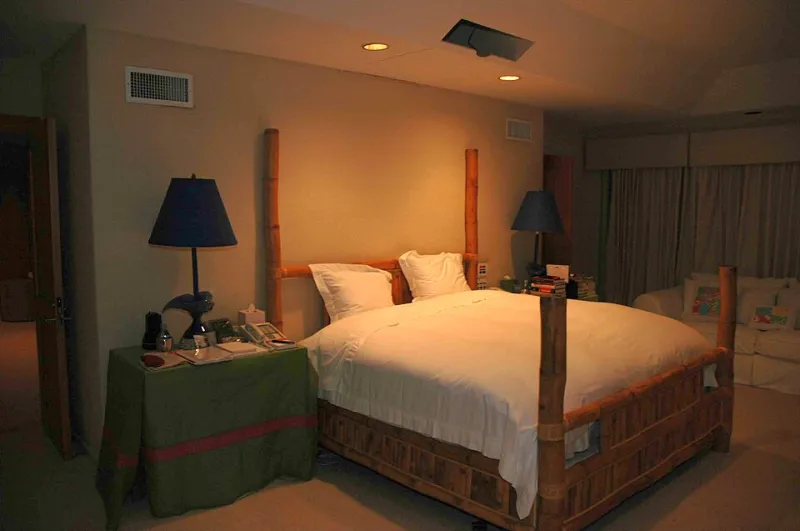
1. Swap Your Bedroom Bulbs for Warm Ones
That bright white LED in your bedside lamp? It's telling your brain it's noon at 10 p.m. Blue-heavy light suppresses melatonin, the hormone that helps you fall asleep.
The fix: A warm-colored bulb (look for 2700K or lower on the label) costs about $5. Swap out the lamps you use after sunset and give your body the dark, cozy signal it's actually waiting for.
2. Make a DIY Air-Purifying Setup
Houseplants won't outperform a HEPA filter, but they do add humidity, and pairing them with good habits can meaningfully improve your air. Grab a snake plant or pothos (both nearly unkillable and often under $15), then back it up with a true budget hack: a box fan plus a 20-inch MERV-rated furnace filter taped to the back makes a surprisingly effective DIY air cleaner for around $25—or less if you already own the fan.
3. Declutter One Hot Spot
You don't have to Marie Kondo your entire house in a weekend. Research consistently links cluttered environments with higher levels of the stress hormone cortisol, especially in women. Pick one surface—the kitchen counter, the coffee table, that chair that's become a closet—and clear it completely.
Twenty minutes, zero dollars, and a visible drop in background stress. That's a good trade.
4. Add a Door Draft Stopper
Cold drafts don't just make your heating bill spike—they make bedrooms less comfortable, which means worse sleep. A fabric draft stopper runs $10 or so, or you can DIY one with an old pair of sweatpants and a bag of rice. Cozy room, warmer feet, better rest.
5. Create a Phone-Charging Station Outside the Bedroom
This one costs nothing if you already have a charger. Plug your phone in overnight somewhere else—a hallway shelf, the kitchen counter. Doomscrolling in bed is one of the most common sleep killers, and the blue light is only half the problem. The mental stimulation is the other half.
If you need an alarm, a basic $10 clock does the job without a single notification.
6. Hang Blackout Curtains (the Budget Version)
Streetlights, headlights, that neighbor's porch—light leakage is a sneaky sleep disruptor. True blackout panels can get pricey, but blackout liner fabric or even a cheap tension rod with a dark, thick curtain over your existing one can block most of it for under $20.
7. Build a Simple Water Station
Most of us don't drink enough water, largely because we forget. Set up a dedicated hydration station: a large glass dispenser or pitcher on the counter, maybe with lemon or cucumber slices. When water is visible and easy, you drink more of it. A glass dispenser costs about $15 and pays for itself in fewer bottled-water runs.
8. Make a Shoe Bin by the Door
Your shoes track in pesticides, lead dust, and all manner of sidewalk grime—an actual EPA concern for indoor air quality. A $12 shoe rack or basket by the front door, plus a simple house-shoes habit, keeps that stuff out of your carpets and away from your kids and pets who live at floor level.
9. Set Up a Five-Minute Stretch Corner
You don't need a home gym. A yoga mat ($15ish) rolled out in a corner with a water bottle nearby is enough. The trick isn't equipment—it's visibility. When the mat is already out, a five-minute morning stretch happens far more often than when it's buried in a closet.
10. Do a VOC Sweep
Many conventional air fresheners, candles, and cleaning sprays release volatile organic compounds—the same pollutants plants and filters help combat. Instead of buying more products, spend your $20 on white vinegar and baking soda, which handle most household cleaning jobs without the chemical fog. Open the windows for ten minutes a day while you're at it; fresh air is free.
Start Small, Feel It Fast
Here's the honest truth: none of these projects will transform your life overnight. But stacked together, they nudge your environment in one consistent direction—less light at night, cleaner air, less clutter, more water, more movement.
Pick two or three this weekend. Knock them out in an afternoon, maybe with a playlist going and a cup of coffee. By spring, you'll have a home that quietly works for your health instead of against it—and you'll still have money left for the farmers market.