Trade the Marathon Workout for Movement Snacks: Tiny Stretches That Add Up All Day
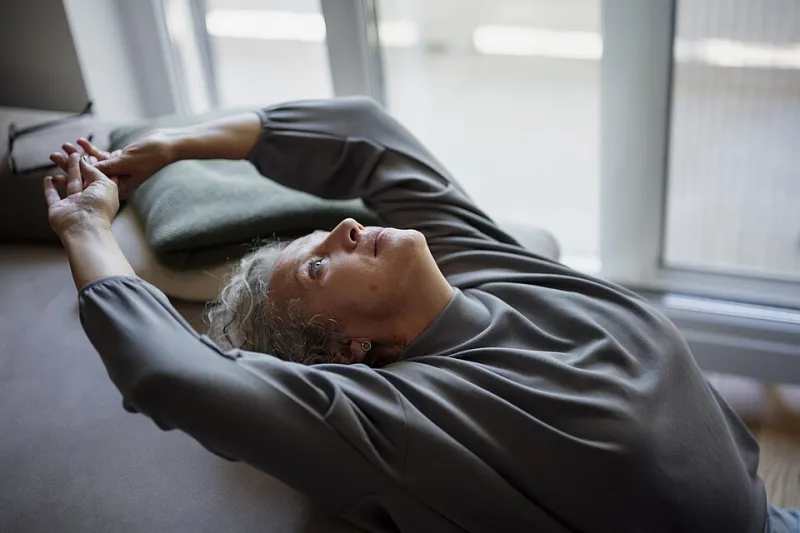
Photo: Shixart1985, CC BY 2.0, via Wikimedia Commons
Here's a scenario that plays out in millions of American homes every week: you crush it at the gym on Saturday morning, feel like a wellness champion, then spend Sunday through Friday mostly folded into a car seat, an office chair, and eventually the couch. By the time the next weekend rolls around, your hips are cranky, your shoulders have migrated toward your ears, and touching your toes feels like a distant memory.
The problem isn't that the workout isn't working. It's that one big dose of movement can't outrun 60-plus hours of stillness. What your body actually responds to, researchers keep finding, is frequency — and that's where movement snacks come in.
What Exactly Is a Movement Snack?
A movement snack is a tiny burst of physical activity — think two minutes, not twenty — sprinkled throughout your day. A hallway stretch while the coffee brews. A set of calf raises while brushing your teeth. A hip opener during the Zoom meeting that could have been an email.
The concept sounds almost too simple to matter, but the science says otherwise. Recent research on breaking up sitting time suggests that short, frequent activity bouts can improve blood sugar regulation, circulation, and joint mobility in ways a single weekly session can't match. Your tissues adapt to what you do often, not what you do occasionally. Stretch for two minutes daily and your hamstrings get the memo seven times a week. Stretch for an hour on Saturday and, honestly, they mostly just get sore.
There's a joint-health angle too. Cartilage has no dedicated blood supply — it gets nourished through movement, which pumps nutrients in and waste out. Sit still all day and your joints are essentially running on empty. Frequent micro-movement is how you keep them fed.
Why the Weekend Warrior Model Falls Short
Nobody's telling you to quit the gym if you love it. But the all-or-nothing mindset — "I'll make it up this weekend" — has a sneaky downside. Long stretches of immobility stiffen the connective tissue around your hips and spine, and then you ask that stiff body to perform a hard workout cold. That's a recipe for the pulled hamstring or tweaked lower back that sidelines people for weeks.
Meanwhile, the sedentary baseline keeps eroding flexibility. Office workers, commuters, and anyone whose evenings revolve around a screen lose range of motion gradually enough that it's easy to blame "getting older." A lot of it isn't age. It's dosage.
The Trigger-Point Method: Anchor Stretches to Rooms You Already Use
The easiest way to build this habit isn't willpower — it's location. You already walk through the same rooms dozens of times a day. Each one becomes a trigger for a two-minute snack.
The kitchen counter (morning coffee, lunch prep, dishwashing):
- Counter lean: place palms on the counter, walk your feet back, and press your chest toward the floor for a shoulder-and-spine stretch
- Standing figure-four: ankle over knee, hinge slightly forward to wake up sleepy glutes
- Standing calf raises while the kettle heats
The desk (every time you stand for a refill):
- Seated spinal twist: hand on the chair back, rotate gently, hold 20 seconds per side
- Doorway chest opener: forearm on the frame, step through to undo the hunched-posture damage
- Neck half-circles and shoulder rolls before you sit back down
The car (arriving anywhere — before you grab the door handle):
- Seated hip shift: scoot forward, one ankle across the opposite knee, lean forward slightly
- Reach-and-overhead stretch: one arm up, lean opposite, three breaths each side
- Chin tucks to reset forward-head posture from driving
The TV room (during streaming — commercial breaks work great, or one snack per episode):
- Couch hamstring stretch: leg extended, gentle hinge forward
- Child's pose on the rug
- Glute bridges while the credits roll
Pick one anchor per room to start. Two minutes, four triggers, and you've banked eight minutes of movement you didn't have before — no gear, no gym, no schedule change.
Make It Stick Without Thinking About It
Habit researchers call these anchors "implementation intentions," but the plain-English version is: tie the new behavior to something automatic. The coffee maker starting. The shower warming up. The microwave humming. If the trigger is something you already do every day, the stretch rides along for free.
A couple of practical tips:
- Start with one room, not four. Consistency beats ambition. Add anchors once the first one feels automatic (usually two to three weeks).
- Keep it pleasant. If a stretch hurts, back off to a range that doesn't. This is maintenance, not training.
- Stack it onto existing routines. The after-dinner walk crowd already knows this trick — a movement snack before bed pairs nicely with winding down, and gentle evening stretching may even help you fall asleep faster.
The Bottom Line
Your body keeps score of every hour, not just every workout. Two-minute movement snacks won't replace strength training or a good run, but they fix the thing the weekend workout can't: the long, stiff gaps in between. Anchor a few stretches to the rooms you live in, and you'll be investing in your joints a little bit all day long — which, it turns out, is exactly how your body likes it.
As always, check with your doctor before starting anything new if you have an existing injury or health condition.