The Ethylene Trap: Why Your Fridge Is Secretly Aging Your Groceries Overnight
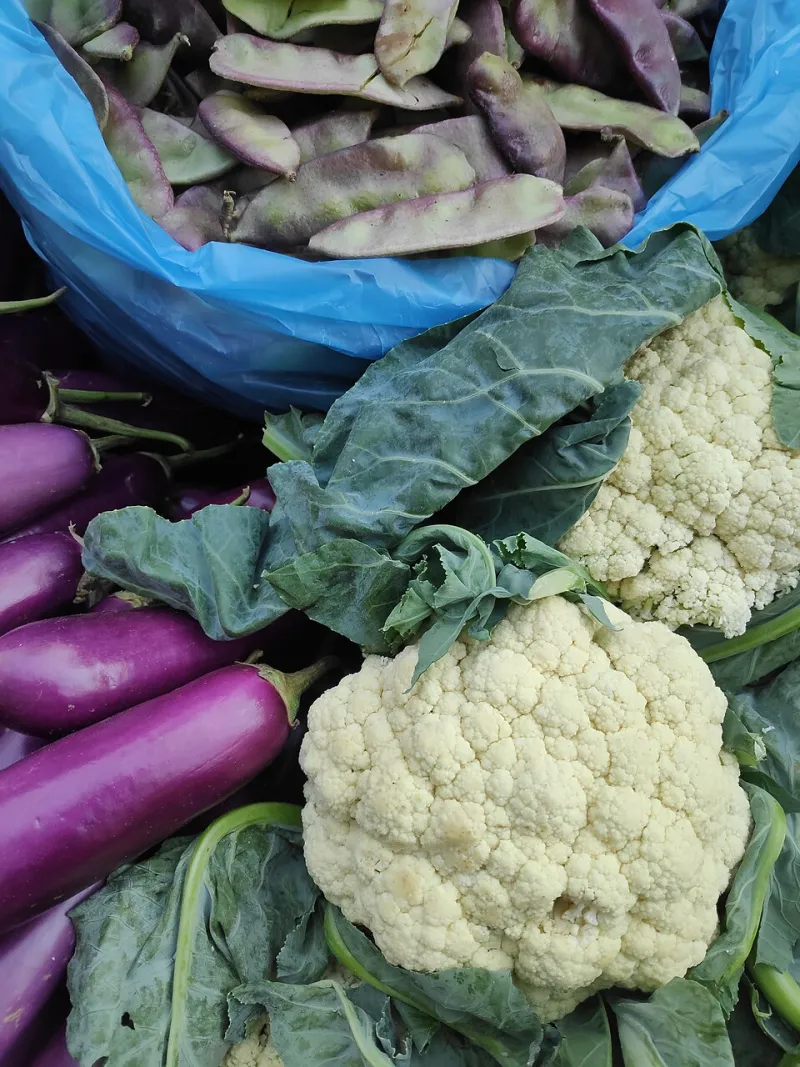
Photo: Gaurav Dhwaj Khadka, CC BY-SA 4.0, via Wikimedia Commons
Here's a fun little experiment: buy two bunches of spinach on the same Saturday. Put one in the crisper drawer like always, and treat the other like it's fragile — dry it, wrap it, give it some breathing room. By the following weekend, one is soup ingredients and the other still looks like it just came off the shelf.
The difference isn't luck, and it isn't your grocery store. It's a plant hormone called ethylene, and once you understand how it works, you'll never look at your fruit bowl the same way again.
Meet Ethylene: The Ripening Gas You Can't See
Every fruit gives off ethylene as it matures — it's basically a chemical shout of "grow up already!" to everything nearby. That's why one overripe apple in a bowl can soften the whole batch, and why a banana on the counter can turn your tomatoes mealy before you've had a chance to use them.
The trick is simple: separate the shouters from the listeners.
The big ethylene producers: apples, bananas, avocados, ripe tomatoes, peaches, pears, and cantaloupe. These should get their own real estate, especially once they're ripe.
The sensitive ones that wilt fast: leafy greens, broccoli, cucumbers, carrots, peppers, and most fresh herbs. Keep these away from the producers or they'll age in fast-forward.
There's one useful exception: if you've got a rock-hard avocado you need ready for taco night, park it in a paper bag with a banana. The trapped ethylene speeds things up beautifully. That's the hormone working for you instead of against you.
The Counter vs. Fridge Question, Settled
Not everything wants the cold. Some produce actually gets damaged by refrigeration — the chill breaks down cell walls and dulls flavor, which is why a refrigerated tomato tastes like wet cardboard.
Counter, away from direct sun: tomatoes, whole melons, potatoes (in a dark cabinet — light turns them green and bitter), onions, and garlic. Note that onions and potatoes are bad roommates; the onions' moisture sprouts the spuds. Give them separate drawers.
Ripen on the counter first, then refrigerate: avocados, bananas, peaches, plums, and pears. Cold pauses ripening, so let them finish the job in the open air first.
Straight into the fridge: berries, grapes, leafy greens, carrots, celery, broccoli, and apples. Apples last weeks longer chilled — just keep them away from everything else, or bag them.
Five DIY Storage Hacks That Actually Work
None of these require special containers or gadgets. You probably have everything you need already.
1. The paper towel trick for greens and berries. Line your produce container or bag with a dry paper towel. It absorbs the condensation that turns greens slimy and berries moldy. Swap the towel when it gets damp and you can add days to the shelf life.
2. A vinegar bath for berries. Rinse strawberries and blueberries in a solution of one part vinegar to three parts water before refrigerating. It kills the mold spores lurking on the surface — the same spores responsible for that fuzzy surprise two days later. Rinse with plain water afterward, then dry them thoroughly. Wet berries are doomed berries.
3. Store herbs like a bouquet. Trim the stems, stand them in a jar with an inch of water, and loosely tent a plastic bag over the top. Parsley and cilantro last two weeks this way instead of three days. Basil is the exception — it hates the cold, so keep its jar on the counter.
4. Don't wash until you're ready to eat. Moisture is the enemy of almost everything in the crisper. Wash produce right before use, not when you're putting groceries away. The vinegar bath above is the one exception, and only because you're drying thoroughly after.
5. Give mushrooms a paper bag, not plastic. Plastic traps their moisture and they turn slimy. A paper bag lets them breathe and they'll stay firm for over a week.
What This Is Actually Worth
The average American family of four throws out roughly $1,500 of food a year, and produce is the biggest chunk of it. Stretching your greens from three days to ten, your berries from two days to a week, and your apples from two weeks to six? That's real money back in your pocket — from paper towels and a bottle of vinegar.
Do a quick Sunday fridge audit while you're at it: pull anything softening to eye level, move ethylene producers to isolation, and plan the week's meals around whatever's oldest. Fifteen minutes of sorting beats a drawer of slime every time.
Your groceries came home fresh. A little chemistry knowledge keeps them that way.