Your Spice Rack Has a Secret: The Quiet Way Pantry Staples Go Bad (and the Two-Minute Audit That Catches It)
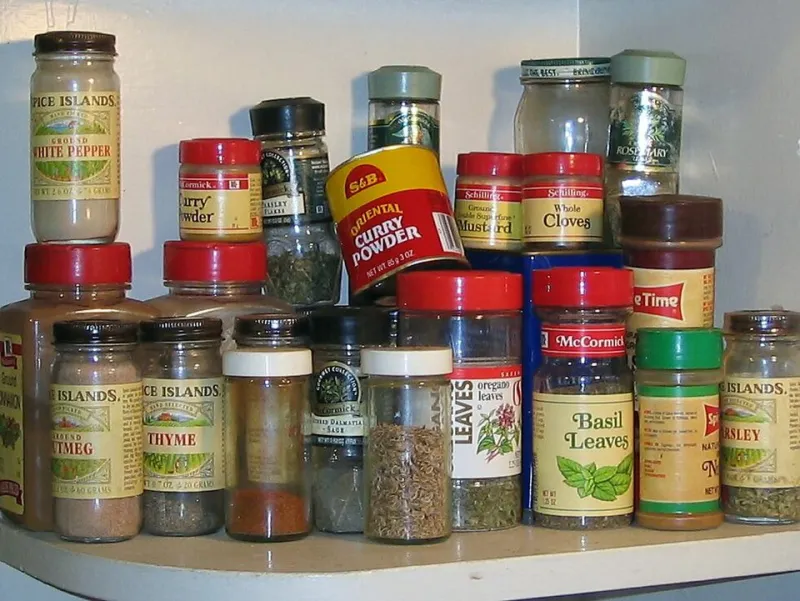
Photo: John Reid at English Wikipedia, CC BY-SA 3.0, via Wikimedia Commons
You check the milk. You side-eye the leftovers. But when was the last time you gave your spices, cooking oils, or that half-used bag of flour a second thought?
For most of us, the answer is basically never. Pantry staples don't come with the same visual warnings as a carton of spoiled yogurt. They just slowly fade — and occasionally turn into something you actually don't want in your body. Here's the honest breakdown of what's really going on in those cabinets.
Why the Sniff Test Only Gets You So Far
Smelling something before you use it is a decent habit, but it has a blind spot: many foods go stale long before they go rancid. Your paprika can smell like... paprika, sort of, while delivering a fraction of the flavor it had a year ago. Meanwhile, a few items — most notably oils — can cross into genuinely harmful territory while still smelling vaguely okay.
So think of your nose as a rough filter, not a verdict. Here's what it can and can't catch.
The Foods Where Expiration Actually Matters
Not all expired food is created equal. A handful of pantry items can go from "meh" to "actually bad for you," and these deserve real attention.
Cooking oils, especially olive and nut oils. Oils oxidize over time, and rancid oil isn't just unpleasant — it's loaded with free radicals you don't want to be eating regularly. Whole-chain grocery store olive oil is usually good for 12 to 18 months unopened, but once you crack the seal, heat and light start working against it. If your oil smells like crayons, old play-dough, or stale nuts, toss it. Keep bottles away from the stove (heat accelerates the process) and buy sizes you'll finish within a couple of months.
Whole grains, brown rice, and wheat germ. The germ portion of whole grains contains healthy fats — which means they can go rancid just like oil. That "healthy" brown rice sitting in your pantry for two years may taste off and offer degraded nutrition. White rice, by contrast, is famously shelf-stable for years if stored dry.
Nuts and seeds. Same story as whole grains. Walnuts and flaxseeds are especially quick to turn. Rancid nuts taste bitter and sharp rather than buttery. Pro move: store extra nuts and seeds in the freezer, where they'll last a year or more.
The Ones That Are Just... Disappointing
The good news: most of your spice cabinet poses zero safety risk. Dried spices are poor in moisture, which makes them hostile territory for bacteria. What you lose is potency, not safety.
Ground spices (cinnamon, cumin, paprika) are at peak flavor for about six months to a year. Whole spices like cinnamon sticks, peppercorns, and cloves hold on for two to three years or longer. Dried herbs such as oregano and thyme fade after about a year.
A quick freshness check: rub a pinch between your fingers and smell. If you get a strong, immediate aroma, you're good. If you mostly smell your own hand, the spice is a flavor ghost — safe to use, but you'll need to double or triple the amount, or just replace it.
Flour falls in the middle. All-purpose flour lasts 6 to 12 months in a sealed bag, longer in the freezer. Whole wheat flour, with its oils, goes off within a few months at room temp. A sour, musty, or play-dough smell means it's done.
Your Two-Minute Monthly Pantry Audit
Once a month — pick a date, like the first Saturday — do this:
- Pull the oils and nuts. Open each bottle or bag, take one sniff. Crayons, bitterness, or staleness means out.
- Rub-test three spices. Rotate through your rack a few at a time so you cover everything over a couple of months.
- Check for the sniff-test liars: flour, whole grains, anything with visible oil. Smell for mustiness or sourness.
- Peek at the dates on anything you haven't touched in a while. "Best by" means quality, not safety — but it's a useful nudge.
That's it. Two minutes, tops, and you'll never again wonder why your chili tastes flat.
Make What You Buy Last Longer
A few habits that slow the clock:
- Move oils out of the spice rack above the stove. Heat and light are the enemies. A cool, dark cabinet is ideal.
- Buy smaller quantities of ground spices. Those giant value-size containers only pay off if you cook with them constantly.
- Label the opening date on oils, nuts, and whole-grain flours with a marker. Future you will be grateful.
- Use airtight containers for flour and grains — it keeps moisture and pantry pests out.
Your pantry works hard for your health — when the ingredients in it are actually pulling their weight. A little attention each month keeps your kitchen stocked with things that taste the way they're supposed to, and keeps the quietly rancid stuff out of your food for good.