Your Wilting Fern Knows Something You Don't: Reading Your Houseplants Like a Home Health Report
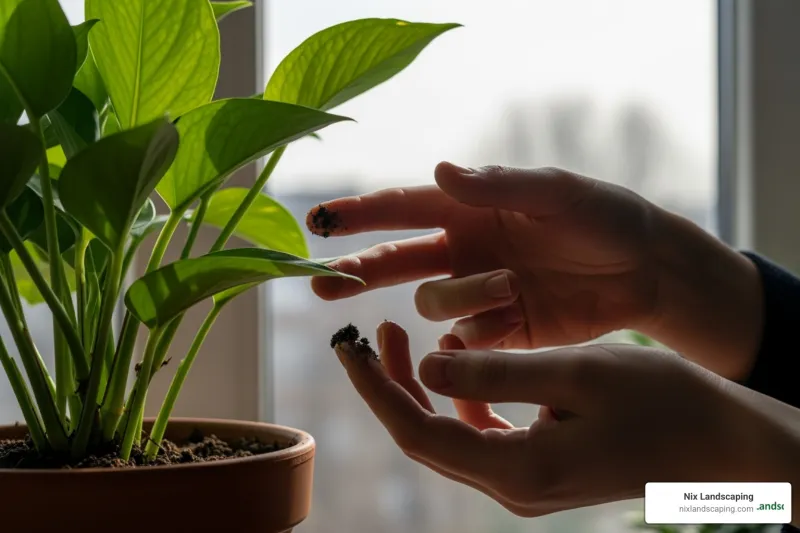
Photo: person checking houseplant soil with finger near window home, via images.bannerbear.com
Here's a confession from the Health & DIY Tips desk: we've killed our share of pothos plants. And for years, we assumed the problem was us — bad watering habits, bad luck, maybe a generational curse. It wasn't until a particularly stubborn fern kept dying in the same corner of our living room, no matter what we did, that we realized the plant wasn't failing.
It was reporting.
That corner, it turned out, sits directly in the path of a drafty window and a heating vent — a microclimate so dry and unstable that even the toughest plants throw in the towel. Which raises an uncomfortable question: if it was that rough on a fern, what was it doing to us?
Plants Are Sensors That Happen to Be Pretty
Houseplants are living, breathing instruments tuned to the exact conditions that shape human health: humidity, light, air circulation, and airborne contaminants. The difference is that plants react faster and more visibly than we do. You might not notice a dry-air problem until your sinuses are raw every January morning. Your calathea notices in about a week, and it tells you with curled, crispy leaves.
Think of it this way — your body adapts and endures. A plant throws a visible fit. That fit is information.
Decoding the Signals
You don't need a botany degree to read the messages. Here's a quick field guide to what your plants are saying about your home:
Crispy brown leaf edges. This is the classic dry-air alarm. Low humidity pulls moisture out of leaves faster than roots can replace it. If your tropical plants are showing scorched tips, your skin, throat, and nasal passages are dealing with the same air.
Drooping despite moist soil. When the soil is wet but the plant still wilts, the culprit is often a cold draft or an overheated room. Plants hate temperature swings, and so does your sleep. A droopy plant near a window might be pointing you straight at the draft that's been giving you stiff necks.
Yellowing lower leaves. Sometimes it's overwatering, but if it happens across several plants, look down — literally. Poor light exposure means the plant is shedding what it can't support. Dim rooms also affect mood and circadian rhythms, so a struggling plant in a dark corner is a nudge to rethink that space.
Musty-smelling soil or fuzzy white growth on the surface. This one matters most. Persistent damp, stagnant soil suggests a corner with poor airflow and excess moisture — exactly the conditions mold loves. If your plant's soil smells like a basement, check the baseboards and window sills nearby. The same dampness that feeds fungus gnats can feed something worse.
Slow, leggy growth stretching toward a window. The plant is telling you that light levels are far lower than they look to your eyes. Our eyes adjust; plants don't. Rooms that feel bright at noon can be cave-like the rest of the day.
The Two-Minute Thumb Test
Here's the habit we recommend: once a week, walk your plant circuit and press your thumb about an inch into each pot's soil, then glance at the leaves. Sixty seconds of touching and looking. You're not just checking whether to water — you're collecting data about each room.
Dry, fast-drying soil plus crispy leaves? That room runs dry. Soil that stays soggy for days plus a musty smell? That room runs damp and still. Track it for a few weeks and you'll have a moisture map of your home no gadget could give you.
A Room-by-Room Placement Guide That Doubles as a Checklist
Want to put this system to work? Use plant placement as a wellness audit, room by room:
Bedroom: Choose a forgiving plant like a pothos or snake plant near your nightstand, a few feet from the window. If its leaves crisp up overnight, your bedroom air is likely too dry for quality sleep — a humidifier or a move away from the radiator may be in order.
Bathroom: This is the canary-in-the-coal-mine room. A fern or peace lily will thrive if your bathroom has good airflow and moderate moisture. If the soil stays swampy for a week and the leaves spot, you've got a ventilation problem — and bathrooms with stale, humid air are mold's favorite real estate.
Kitchen: Herbs on the windowsill are honest reporters. If your basil gets leggy and pale, the kitchen doesn't get the light you think it does, which is also a hint about where you actually want to spend prep time. Bonus: healthy herbs right by the stove get used more.
Living room: Place a spider plant near your most-used seating. Spider plants are famously sensitive to airborne fumes and stagnant air. If it sulks near the couch but perks up three feet away, ask what's off-gassing or whether that corner gets any air movement at all.
Entryway and hallways: A hardy ZZ plant in your entry tolerates drafts and temperature swings. If even the ZZ struggles, your entry is leaking weather — and probably your heated or cooled air along with it.
What to Do With the Intel
Once your plants start talking, act on it. Crispy leaves mean it's time for a humidifier or a pebble tray — and maybe a glass of water and a nasal rinse for yourself. Musty soil means a fan, a window crack, or checking for a slow leak. Leggy growth means relocating either the plant or your reading chair closer to the light.
The beauty of this system is the price: you probably already own the sensors. They're sitting on your windowsill, quietly gathering evidence while you binge your shows. All they ask in return is a two-minute thumb test and the willingness to listen when they droop.
Your fern knows something you don't. Now you know how to ask it.