Steam, Heat, and Spoiled Pills: Why Your Bathroom Cabinet Is Sabotaging Your Medicine

Photo: Internet Archive Book Images, No restrictions, via Wikimedia Commons
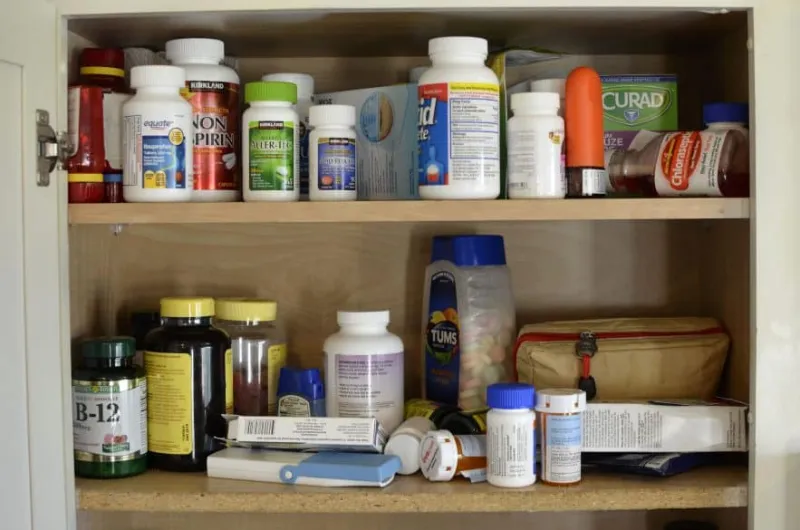
Take a second and picture your medicine cabinet. Got it? Okay — now picture a steamy shower running at full blast, a hair dryer going, and a Florida summer knocking at the window. That's the actual environment your aspirin lives in.
Most of us inherited the bathroom-cabinet habit from our parents, who inherited it from theirs. But pharmacists have been quietly saying the same thing for decades: the bathroom is one of the worst rooms in the house for storing medicine. The good news is the fix takes about twenty minutes and a kitchen drawer.
What Heat and Humidity Actually Do to Your Pills
Medications are chemistry in a very delicate balance. Manufacturers test and formulate them to stay stable at room temperature — roughly 68 to 77°F — in dry conditions. Your bathroom after a 15-minute shower? That's a humidity bomb followed by a temperature swing, twice a day.
Heat speeds up the chemical reactions that break drugs down. Moisture, meanwhile, creeps into tablets and capsules, causing them to soften, stick together, or crumble. Even in childproof caps, a humid environment finds its way in. That clumped, faintly sticky bottle of ibuprofen isn't just annoying — it may not deliver the dose the label promises.
Vitamins are even more fragile. Gummies, in particular, are basically sugar with a coat of nutrients, and they melt and degrade fast in warm, damp air. First-aid supplies take a hit too: adhesive bandages lose their stick, ointments separate, and hydrogen peroxide decomposes into plain old water once it's been opened and stored badly.
The Better Spots, Room by Room
You don't need a fancy setup. You need cool, dry, dark, and out of reach of kids and pets. Here's a quick tour.
The kitchen — but choose carefully. A high cabinet away from the stove, dishwasher, and sink is a great home for everyday medications. Avoid the shelf directly above the oven or fridge (the coils on top of the fridge generate heat). A lazy Susan in an upper corner cabinet works wonders.
The bedroom. A nightstand drawer is honestly one of the best spots in the house — stable temperature, no steam, and close to where you take your evening meds anyway. Just make sure it's not a sunny windowsill.
The hallway linen closet. A middle shelf, away from the bathroom door, is ideal for bulkier items: first-aid kits, thermometers, unopened boxes of cold medicine.
The pantry. A cool, dark pantry shelf handles vitamins and supplements well, as long as it's a shelf the kids can't reach.
The refrigerator — only for a few things. Some items genuinely need the fridge: liquid antibiotics that say "refrigerate," insulin (per your pharmacist's instructions), certain eye drops, and probiotics. Everything else? Cold plus condensation is its own problem, so keep it to what the label requires.
What Goes Where: A Quick Cheat Sheet
- Pain relievers, allergy meds, daily prescriptions: kitchen cabinet or nightstand drawer
- Vitamins and gummies: cool pantry shelf, tightly closed, never above the stove
- Bandages, gauze, tweezers, antiseptic: linen closet, in a single labeled bin so you can grab it fast
- Thermometer and cold/flu supplies: a designated bin in the hall closet — ideally somewhere you can find it half-asleep
- Anything labeled "refrigerate": the fridge door shelf, not the back wall
One more rule: never store anything in the car. Glove boxes swing from arctic to oven, and summer dashboards in states like Arizona or Texas can hit 160°F. That's a pharmacy no-go.
Signs Something Has Gone Off
Even with perfect storage, medicines don't last forever. Do a quick sensory check when you do your twice-yearly stock-up:
- Pills that are discolored, spotted, cracked, or smell odd
- Tablets that are stuck together, powdery, or unusually soft
- Liquids that have separated, clouded, or grown anything fuzzy
- Ointments that have gone grainy or changed color
- Gummies that have fused into one sad lump
If any of those show up, toss it. And check dates while you're at it — that bottle of cough syrup from three winters ago probably isn't doing you any favors.
Disposing of the Old Stuff the Right Way
Once you've pulled the casualties, resist the toilet. Flushing can send residues into waterways, and many municipal systems aren't designed to filter them out. Instead:
- Use a drug take-back site. Many pharmacies and police stations host year-round drop boxes — the DEA's website has a locator.
- Check for National Prescription Drug Take Back Days, held twice a year, usually in April and October.
- If you must trash something, mix pills with used coffee grounds or kitty litter in a sealed bag so they're unappealing and unusable.
A Twenty-Minute Project Worth Doing
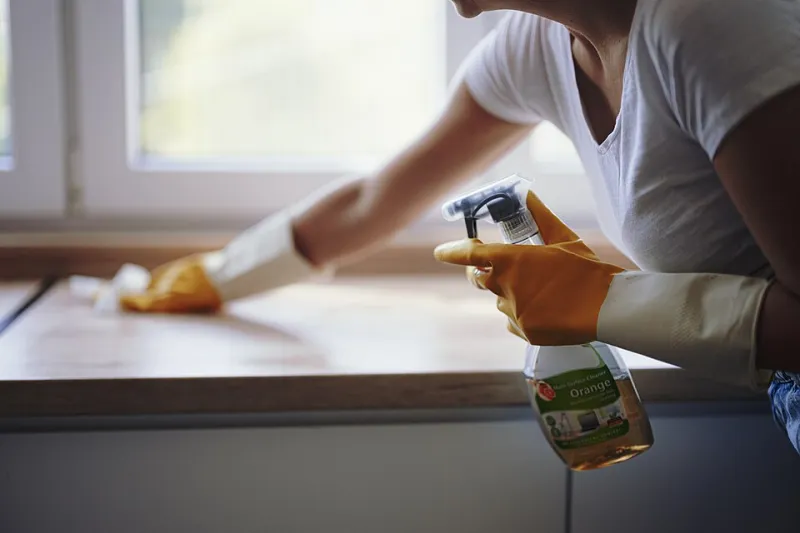
Grab a box, empty the bathroom cabinet, and sort everything into keep, relocate, and toss. Wipe down the bottles you're keeping, group them by household member or purpose, and assign them their new cool, dry homes. Add a small bin labeled "sick day" with a thermometer, fever reducer, and electrolyte packets, and future-you — at 2 a.m., with a sick kid — will be grateful.
Your medicine doesn't need a spa bathroom. It needs a boring, dry, room-temperature shelf. Give it one, and it'll work the way it's supposed to when you actually need it.