Build Your Family's Cold-and-Flu Command Center Before the First Sneeze Hits
Photo: Wouter van Beek, CC BY-SA 4.0, via Wikimedia Commons
Every fall it happens the same way. Someone in the house gets that first scratchy throat, and suddenly you're making a 9 p.m. pharmacy run for overpriced cough syrup while everyone else waits to catch it too. This year, flip the script: build your cold-and-flu station in September, while tissues are still on sale and nobody's sick yet.
Here's the good news — a fully stocked sick-care corner of your home doesn't require a big budget. We priced out everything below at a national discount retailer, and the whole toolkit rings up at roughly $55–$60, with several items you can make yourself for pennies.
The Shopping List (With Prices)
- Petroleum jelly (16 oz tub) — $3 — base for DIY vapor rub and chapped noses
- Coconut oil (jar) — $5 — vapor rub base, sore throat soothing
- Eucalyptus + peppermint essential oils — $12 — the workhorses of homemade vapor rub
- Epsom salt (large bag) — $5 — steam bowls and warm baths
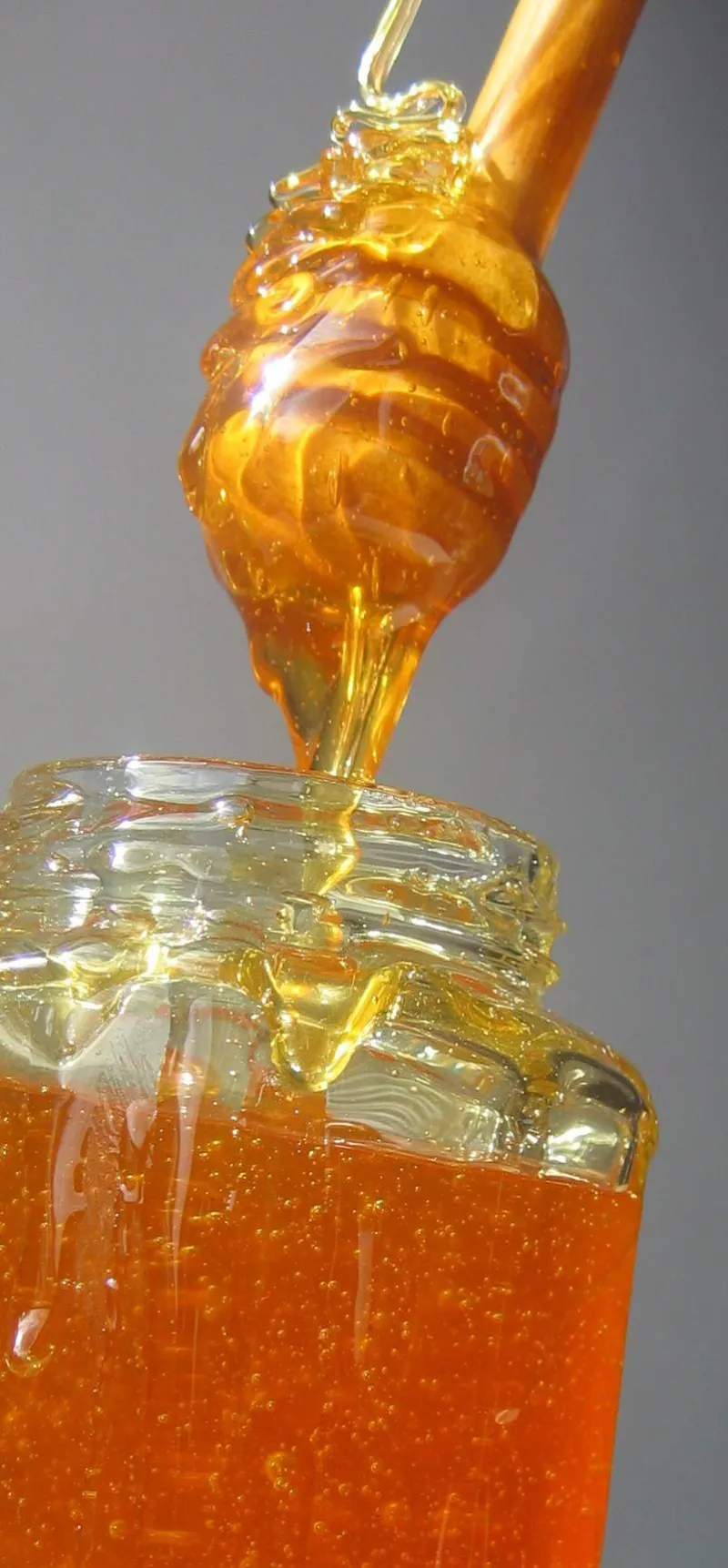
- Box of honey (local if possible) — $8 — cough suppressant and tea sweetener
- Caffeine-free herbal tea sampler — $6 — chamomile, ginger, peppermint
- Table salt + baking soda — $3 — saline rinse and gargle base
- Electrolyte ingredients: orange juice, sea salt, honey — $8 — see recipe below
- Two humidifier filters or one budget humidifier — $15 — the humidity hack below
- Digital thermometer + hand sanitizer — $8
Total: roughly $58. Compare that to one urgent care copay and it's an easy call.
Make Your Own Vapor Rub
Skip the $10 tube. Melt two tablespoons of coconut oil with one tablespoon of petroleum jelly, let it cool slightly, then stir in 10 drops of eucalyptus oil and 5 drops of peppermint. Store in a small jar. Dab it on chests and under noses (not for babies under two — stick with a humidifier for the little ones).
The DIY Electrolyte Drink That Actually Tastes Fine
When fever and sweating drain your fluids, you don't need a $6 bottle of neon sports drink. Mix:
- 2 cups water
- 1/2 cup orange juice
- 1/4 teaspoon sea salt
- 1 tablespoon honey
- A squeeze of lemon
Chill it, sip it, repeat. It covers the sodium, potassium, and sugar basics your body needs for rehydration.
Humidity: The Cheapest Stuffy-Nose Fix There Is
Dry winter air thickens mucus and turns every sniffle worse. Run a cool-mist humidifier in the sick room overnight, aiming for around 40–50% humidity. No humidifier? Hang a wet towel over the bedroom door or have everyone take a hot shower with the door cracked — steam is steam.
For congested adults, a steam bowl works fast: hot water in a big bowl, a teaspoon of Epsom salt, towel over the head, breathe for five minutes. Old-school, yes. Effective, also yes.
Your Week-by-Week Prep Timeline
Late September — Week 1: Shop the list. Make a double batch of vapor rub and label two jars — one for the medicine cabinet, one for the nightstand.
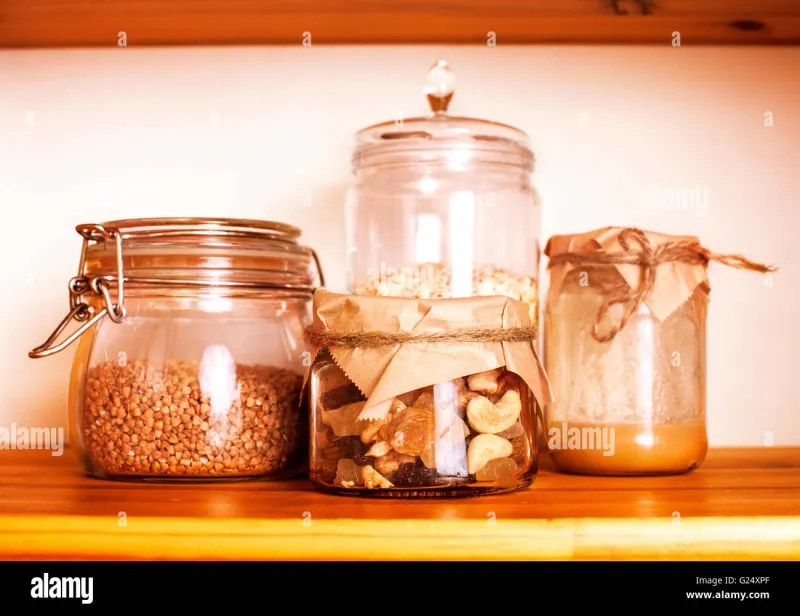
Early October — Week 2: Set up the station itself. A single bin or shelf with tissues, thermometer, tea, honey, and the vapor rub. When someone's sick at 2 a.m., you want one place to look.
Mid-October — Week 3: Humidity check. Clean or replace humidifier filters, and give the unit a vinegar soak to kill any mold from last season.
Late October — Week 4: Print or write out the electrolyte recipe and tape it inside a kitchen cabinet. Schedule flu shots if your family gets them — early fall is the sweet spot for protection that lasts through peak season.
Early November — Week 5: Do a dry run. Refill anything low, wipe down doorknobs, and stock easy sick-day foods: broth, crackers, ginger ale, frozen fruit for smoothies.
One Last Tip: The Recovery Basket
When someone goes down, assemble a small basket for their bedside — water bottle, tissues, lip balm, the vapor rub jar, a snack. It keeps the sick person comfortable and cuts down on germ-hopping trips to the kitchen.
Cold season is coming whether you're ready or not. But sixty dollars and one October afternoon later, you will be.