Ever Heard the Term 'Piss Poor'? You Have No Idea Where It Comes From — and the Real Story Is Fascinating

Photo by Photo by Andrew Petrov on Unsplash on Unsplash
If you've spent any time on Facebook or your aunt's group email chain, you've probably seen the post: a breathless explainer claiming the phrase "piss poor" comes from medieval times, when families allegedly sold their urine to tanneries — and the poorest of the poor were the ones with nothing left to sell. It's a great story. It's also, historians say, mostly not true. But the real history behind it is still worth your time, and it says a lot about how we separate wellness fact from fiction.
The Story Everyone Shares
The viral version goes like this: centuries ago, urine was a valuable commodity. It was rich in ammonia and used for tanning leather, cleaning wool, and even as a laundry agent. Families who were truly desperate supposedly collected and sold theirs, while the destitute — the "piss poor" — had none to sell at all.
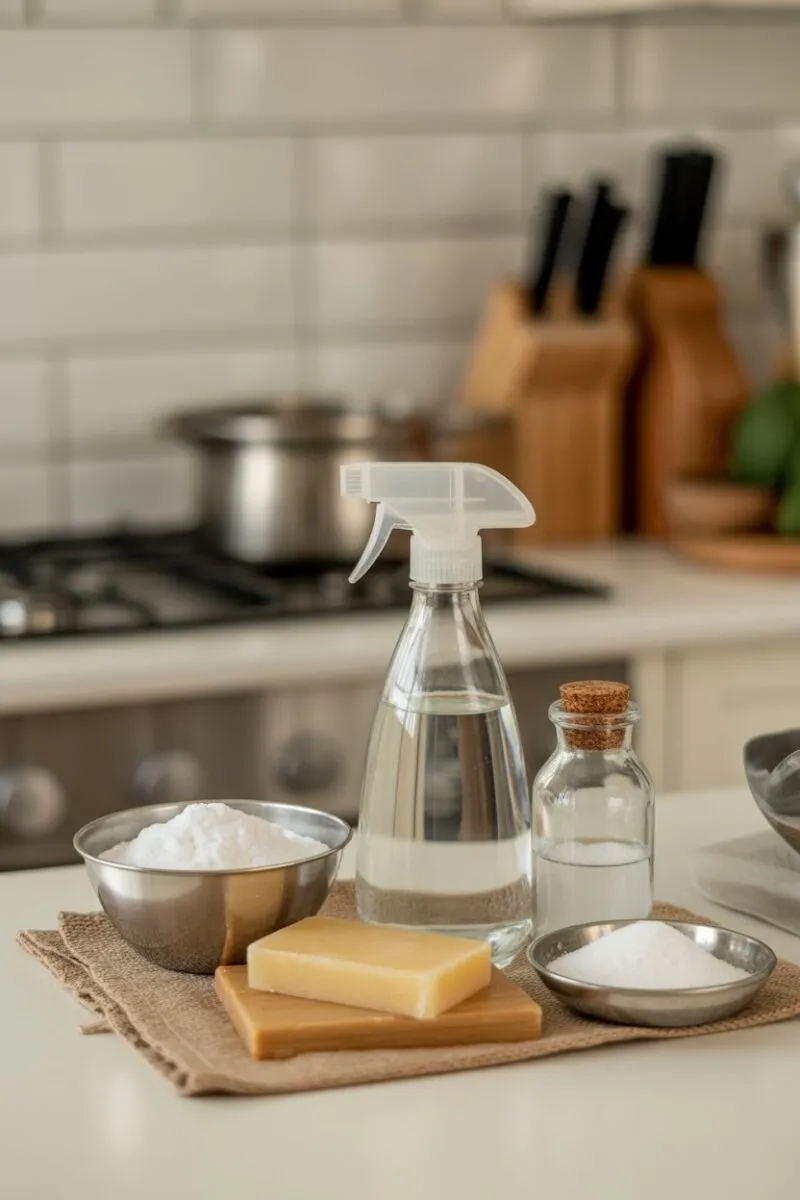
There's a kernel of truth here. Urine really was used in pre-industrial trades. Roman fullers stomped cloth in vats of it to remove grease. Tanners and dyers used stale urine for centuries, and "chamber lye" (collected urine) appeared in old English household recipe books as a stain remover. So yes, in some times and places, urine had actual economic value.
What Historians Actually Say
Here's where the viral story falls apart: linguists and etymologists have found no documented connection between the urine trade and the phrase "piss poor." The phrase doesn't appear in print until the 20th century, with the OED and etymology resources tracing it to mid-1900s American slang, built on the older pattern of using "piss" as an intensifier ("piss drunk," "pissed off"). "Piss poor" simply meant extremely poor — the crude equivalent of "dirt poor," which follows the same logic without any urine involved.
The lesson? A story can sound plausible, contain a real historical detail, and still be wrong about the thing it's explaining. That's worth remembering the next time a home remedy arrives in your feed with an origin story attached.
Why This Matters for Your Medicine Cabinet
The "piss poor" myth is a perfect case study in how health misinformation spreads. It follows a formula:
- A surprising historical hook (urine really was used in trades)
- A logical-sounding leap (so the phrase must come from that)
- An emotional payoff (you feel smarter for knowing it)
Home remedies follow the same pattern. Some genuinely work — honey on minor burns and coughs has real evidence behind it. Others survive purely on a good story. Before you try any DIY remedy, ask the same three questions a historian would:
- Is the underlying fact true? (Does this ingredient have studied properties?)
- Does the conclusion actually follow? (Does that property translate to the claim being made?)
- Can I verify it from a credible source? (Not just a viral post.)
The Real History of Household Remedies
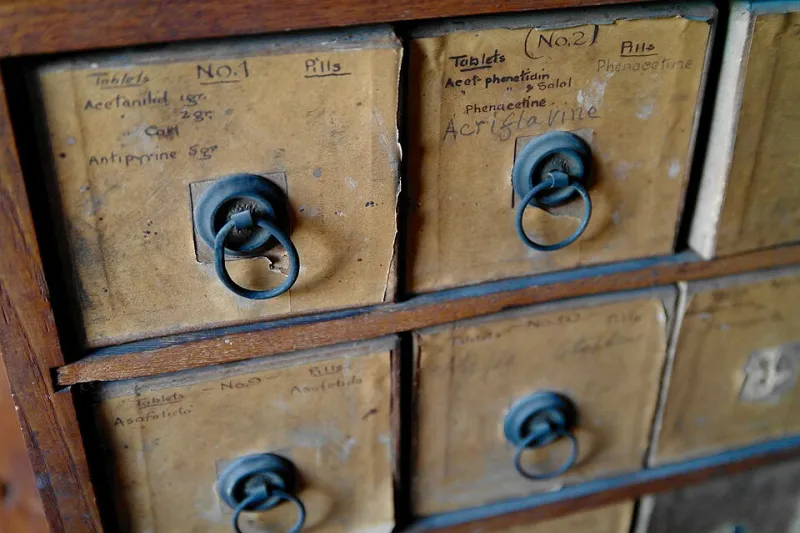
Here's the fun twist: old household books are actually a treasure trove, even when the internet mangles them. Colonial and Victorian American home guides recommended saltwater gargles for sore throats (still reasonable), baking soda for heartburn (still used in OTC antacids), and honey-based cough syrups (supported by modern research for adults and children over one year old).
They also recommended plenty of things we've wisely retired — lead-based cosmetics, mercury ointments, and turpentine as an internal remedy. History keeps the hits and drops the hazards, which is exactly why "it's traditional" should never be the end of the conversation.
Old Wisdom, Modern Filter
You don't need to dismiss grandma's remedies, and you don't need to accept the internet's embellishments of them either. The sweet spot is respectful skepticism:
- Keep the remedies with real evidence (honey, saline rinses, baking soda for heartburn)
- Skip anything involving internal use of cleaning products, essential oils swallowed neat, or miracle cures
- Check with a pharmacist or your doctor before mixing home remedies with prescription medications — even "natural" ingredients can interact
So the next time someone shares a fascinating origin story with you, enjoy it. Then look it up. Whether it's the history of "piss poor" or the latest viral cure-all, the truth is usually less dramatic than the story — but a lot more useful.