The Germ Map of Your Kitchen: Where the Nastiest Stuff Really Lives (and the 30-Second Fixes)
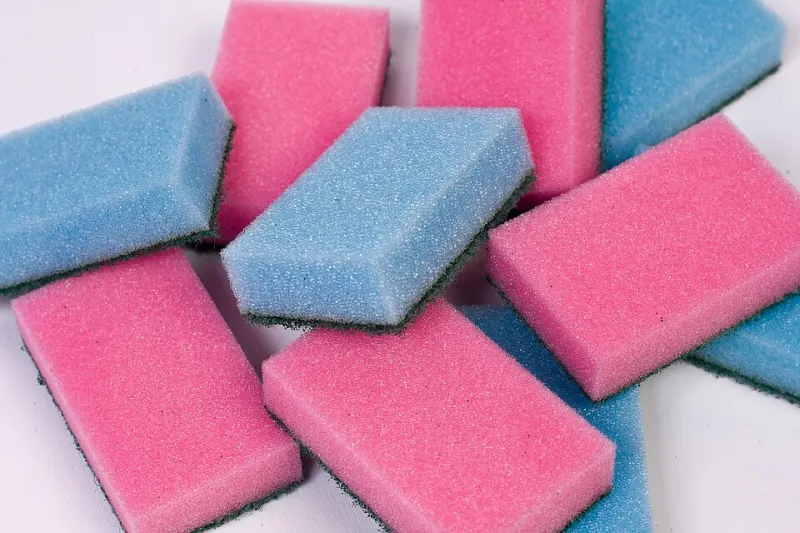
Photo: Old Photo Profile, CC BY 2.0, via Wikimedia Commons
We hate to break it to you, but the cleanest-looking room in your house is probably lying to you.
Your kitchen — yes, the room you scrub, wipe, and disinfect more than any other — is home to some of the highest concentrations of bacteria anywhere in your home. Researchers who swab American households have found that the average kitchen sponge carries more microbial life per square inch than a toilet seat. Let that sink in while you wring one out over the sink.
The good news? Every one of these hotspots can be handled with a rag, some vinegar or bleach, and about 30 seconds of your day. Here's the map.
Hotspot #1: The Dish Sponge
That damp, porous little rectangle is basically a high-rise apartment complex for bacteria. Food particles plus constant moisture plus room temperature equals a microbe paradise — and every time you 'clean' a counter with it, you're painting a thin film of that ecosystem across your surfaces.
The fix: Toss sponges every one to two weeks, no exceptions. In between, run a damp sponge through the microwave on high for one minute (make sure it's wet and metal-free) or toss it in the dishwasher's heated cycle. If you'd rather skip the drama entirely, switch to dishcloths you launder weekly — they dry out faster, and bacteria need moisture to thrive.
Hotspot #2: The Kitchen Sink and Disposal
Here's a fun comparison: the sink basin where you rinse raw chicken often harbors more fecal-type bacteria than the toilet bowl you clean on a schedule. The disposal's rubber splash guard is even worse — it's the single grimmiest crevice in most kitchens.
The fix: Once a week, scrub the basin with dish soap and hot water, then sanitize with a spray of diluted bleach (one tablespoon per gallon of water) or straight white vinegar. For the disposal, pull out the splash guard and scrub underneath it — that's where the gunk parties. Finish with a handful of ice cubes and a lemon wedge to knock loose debris and cut odor.
Hotspot #3: Cutting Boards
Wooden or plastic, cutting boards take a beating. The real danger isn't the visible stains — it's the knife grooves where raw meat juices settle in and linger.
The fix: Own two boards: one for raw meat and poultry, one for everything else. Plastic boards go in the dishwasher; wooden boards get scrubbed with hot soapy water, then sanitized with a 3% hydrogen peroxide wipe-down. If your board looks like a topographic map of the Grand Canyon, retire it. To refresh wood, rub in food-grade mineral oil monthly.
Hotspot #4: The Coffee Maker Reservoir
Your beloved morning machine holds standing water in a dark tank — which is, again, exactly what bacteria love. Studies of household coffee makers have turned up mold and yeast colonies in reservoirs that looked perfectly clean.
The fix: Once a month, run a half-white-vinegar, half-water brew cycle, let it sit for 30 minutes, then run two full cycles of plain water. Empty and air-dry the reservoir daily if you can. Your coffee will taste better for it, too.
Hotspot #5: The Refrigerator Drawers
The produce drawers are where mystery slime goes to be born. Meat juices drip, condensation pools, and nobody pulls the drawers out to clean underneath because, well, who does that?
The fix: Once a month, slide those drawers out and wash them in warm soapy water. Wipe the shelf beneath with your vinegar or bleach spray. Do this right before a grocery run when the fridge is emptiest.
Hotspot #6: The Remote Control, Phone, and Door Handles
The living room gets a pass in most cleaning routines, but the remote control passes through greasy fingers, couch crumbs, and the occasional toddler mouth. Doorknobs and light switches get similar treatment from everyone in the house.
The fix: Once a week, wipe high-touch items with a disinfecting wipe or a cloth lightly dampened with 70% isopropyl alcohol. For remotes, remove the batteries first and use a dry toothbrush around the buttons before wiping.
Hotspot #7: The Reusable Grocery Bags
Ironic, right? The eco-friendly totes that carry your fresh produce also carry whatever dripped off last week's chicken packaging — and they ride around in a warm trunk in between.
The fix: Toss machine-washable bags in with a load of laundry every couple of weeks. For non-washable polypropylene bags, wipe the interior with a disinfecting cloth and air-dry completely. Better yet, bag raw meat in its own plastic bag at the store so nothing leaks in the first place.
Your 10-Minute Weekly Germ Map Routine
You don't need to deep-clean daily. Here's the whole system:
- Daily (2 minutes): Swap or dry the sponge; wipe sink basin.
- Weekly (10 minutes): Sanitize sink, disposal, handles, remote, and phone; launder dishcloths and tote bags.
- Monthly (15 minutes): Vinegar cycle the coffee maker, wash fridge drawers, oil the cutting board.
That's it. No gadgets, no fancy sprays — just vinegar, bleach, hydrogen peroxide, soap, and a few minutes of intention. Your kitchen will look exactly the same. It just won't be lying to you anymore.