Before You Mix That Spray Bottle: The Truth About Homemade Cleaners and Germs
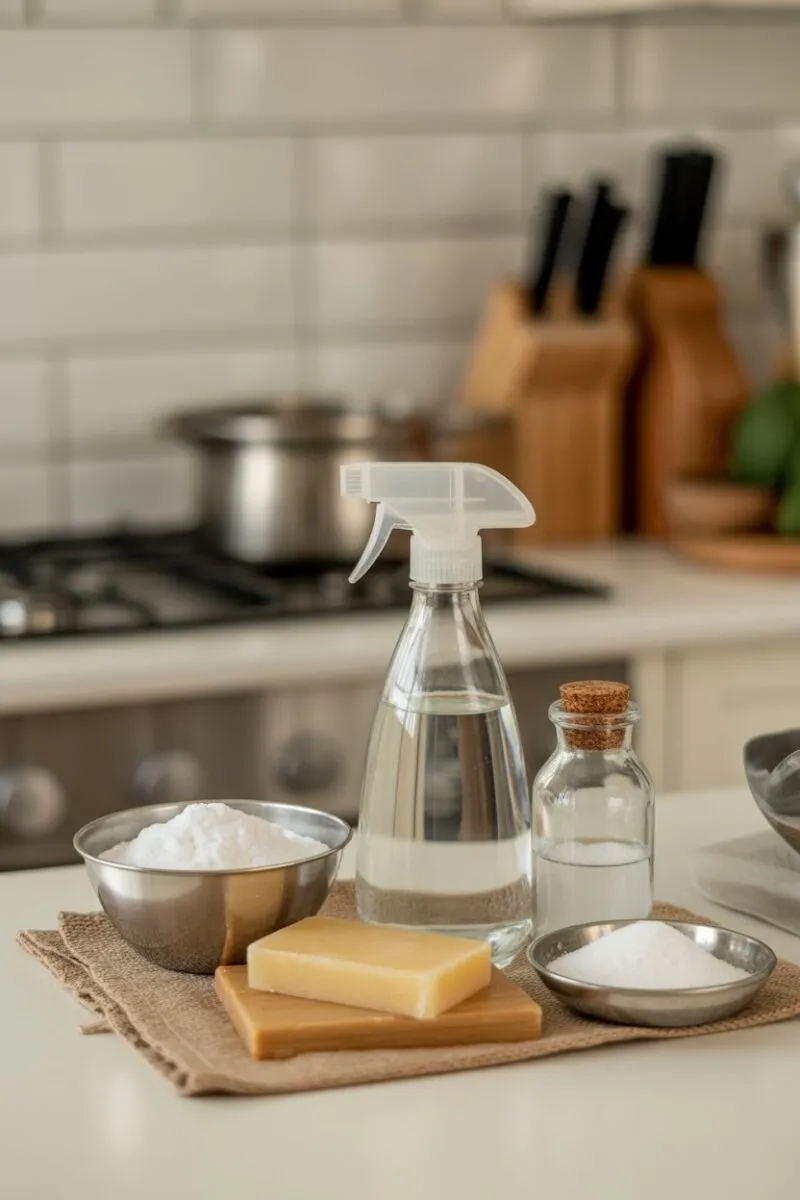
Photo: homemade cleaning supplies vinegar baking soda on kitchen counter, via cleanerwiki.com
There's a certain satisfaction in spraying your kitchen counters with something you made yourself. It smells like lemon, it costs about forty cents a bottle, and the label you wrote with a Sharpie looks charmingly rustic. But here's the question nobody on the crafting blogs wants to answer: is it actually killing germs, or are you just smearing nice-smelling liquid around?
We dug into the science behind the most popular DIY cleaner ingredients so you don't have to gamble with your family's health on a viral recipe.
The Big Test: Vinegar, Baking Soda, and the Rest of the Cast
Let's start with the reigning champion of the homemade cleaning world.
White vinegar — specifically distilled white vinegar at around 5% acidity — is a genuinely decent cleaner. It dissolves mineral deposits, cuts through grease, and shines up glass like nobody's business. But disinfecting? That's where things get murky. Studies have shown vinegar can reduce some bacteria, including a decent chunk of E. coli and salmonella on surfaces, but it doesn't come close to the kill rates of an EPA-registered disinfectant. Think of it as a B-minus student: good effort, not honor roll. It's best reserved for soap scum, hard water stains, and windows — not raw chicken drippings.
Baking soda is a phenomenal scrubber and deodorizer, and it's mildly abrasive in a way that lifts stuck-on gunk beautifully. But it has essentially zero antimicrobial punch. It doesn't kill germs. It just makes them less comfortable. Great for scrubbing a sink, not so great for sanitizing one.
Citrus infusions — those jars of orange peels soaking in vinegar that flood your social feed every spring — smell incredible, we'll grant that. The citrus peels release d-limonene, which helps dissolve grease and adds fragrance. But the germ-killing story doesn't change. You've made scented vinegar. Still a cleaner, still not a disinfectant.
Hydrogen peroxide, on the other hand, is the quiet overachiever of the pantry. Standard 3% drugstore peroxide is a legitimate disinfectant against a broad range of bacteria and viruses. The catch? It needs dwell time — roughly five to ten minutes of staying wet on the surface — and it breaks down in light, which is why it lives in that brown bottle.
Rubbing alcohol at 70% concentration is another genuine germ-killer, though it evaporates fast, which shortens its contact time. A spray of 70% isopropyl alcohol works well on high-touch spots like doorknobs and phone screens (check your device manufacturer first).
The Combos That Can Land You in the ER
Now for the part that matters most. Homemade cleaner recipes love to tell you to mix things. Please don't mix these.
- Vinegar plus hydrogen peroxide: Individually, both are fine. Combined — even stored in the same container or sprayed back-to-back on the same surface — they form peracetic acid, a corrosive compound that can irritate your skin, eyes, and lungs. If you want to use both, use one, rinse, then use the other.
- Vinegar plus bleach: This creates chlorine gas. Yes, the same stuff used as a chemical weapon in WWI. Even small amounts in a poorly ventilated bathroom are dangerous.
- Ammonia plus bleach: Another toxic gas (chloramine). And heads up — many glass cleaners contain ammonia, so read labels before layering products.
- Rubbing alcohol plus bleach: Can form chloroform. Not enough to knock you out in one spray, but absolutely not something to make a habit of breathing.
The safest rule of thumb: one active ingredient per bottle, clearly labeled, stored away from kids and pets.
The Recipes That Actually Passed
All-Purpose Vinegar Cleaner (for everyday messes):
1 part distilled white vinegar 1 part water Optional: a few drops of dish soap or lemon essential oil for scent
Use on counters, sinks, and glass. Skip natural stone — vinegar etches marble and granite. Not for raw-meat messes.
The Two-Step Disinfecting Routine (for real germ situations):
Step 1: Clean with your vinegar spray and wipe away debris. Step 2: Spray 3% hydrogen peroxide, let it sit wet for 5–10 minutes, then wipe. Or spray 70% isopropyl alcohol and let it air dry.
Keep them in separate bottles, use one after the other with a rinse in between, and you've got a genuinely effective system.
Baking Soda Scrub:
Half cup baking soda Enough liquid dish soap to make a paste
Perfect for tubs, stovetops, and that mystery ring in the toilet bowl. It scrubs; it doesn't sanitize. Pair it with the peroxide step when needed.
So What's Hygiene Theater?
Here's the honest breakdown: if your goal is a sparkling, pleasant-smelling kitchen, vinegar and baking soda will absolutely get you there. If your goal is killing the norovirus your kid brought home from preschool, you need the heavy hitters — peroxide, alcohol, or an EPA-registered disinfectant from the store.
The good news is you don't have to choose. A two-bottle system — one homemade cleaner for daily shine, one disinfectant for sick days and raw-meat incidents — costs less than a single bottle of brand-name everything-spray. Your grandmother's pantry cleaning tricks were onto something real. They just weren't the whole story.