The Quiet Expiration Dates Hiding in Your House: A Room-by-Room Audit of 10 Products Past Their Prime
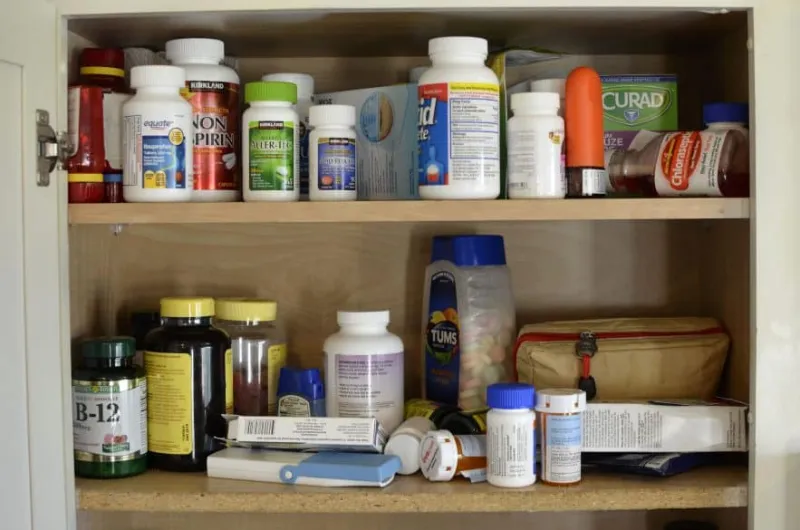
Photo: expired household products cleaning supplies medicine cabinet shelf, via www.organizedmom.net
There's a bottle of rubbing alcohol in most American medicine cabinets that's older than the kid it was bought for. Same story with the bleach under the kitchen sink, the sunscreen shoved in the beach bag, and the honey in the back of the pantry that's crystallized into something resembling stained glass.
Here's the thing nobody tells you: household products don't come with the loud, obvious expiration dates printed on milk cartons. They fade quietly. They stop working while still looking perfectly fine on the shelf. And when you're counting on that hydrogen peroxide to clean a scraped knee or that sunscreen to prevent a bad burn, "looks fine" isn't good enough.
So grab a garbage bag and let's do a quick audit. Room by room, here's what actually expires, what the dates really mean, and what's safe to keep well past the label.
The Laundry Room: Where Potency Goes to Die
Bleach (about 6 months once opened). This is the big surprise for most people. Liquid chlorine bleach starts losing its punch almost immediately after you crack the seal, degrading roughly 20% per year — faster if the bottle sits in a warm laundry room. Old bleach won't hurt you, but it also won't disinfect much. If your whites have been coming out a little less bright, an expired jug might be why. Buy smaller bottles and use them up within six months.
Laundry detergent (6 months to a year for liquid). Liquid detergent can separate and get clumpy, especially the plant-based varieties without heavy preservatives. Powder lasts longer — sometimes years — as long as it stays dry. If your liquid detergent smells off or looks like cottage cheese, it's done.
The Medicine Cabinet: Check These First
Sunscreen (3 years, less if it's been hot). The FDA requires sunscreen to stay at full strength for three years, but heat is the enemy. That bottle that lived in your car all summer? Toss it. If the formula has separated, changed color, or smells strange, don't gamble with it. Tip for the future: write the purchase date on the bottle with a Sharpie.
Hydrogen peroxide (6 months once opened). That satisfying fizz when it hits a cut? That's the peroxide breaking down — and it's breaking down in the bottle too, every day it's exposed to light. Store it in the original dark brown bottle and replace it every six months or so. If it doesn't fizz on a wound anymore, it's basically water.
Rubbing alcohol (2 to 3 years, but check the level). Isopropyl alcohol is fairly stable, but the container matters. An old bottle with a loose cap slowly evaporates and loses concentration. If the bottle is less than half full, it's absorbed a lot of air — replace it.
Saline and eye drops (see the date, always). These are the one category where expiration dates are non-negotiable. Anything that touches your eyes can harbor bacteria once it's past its date or been open too long. Most eye drops expire 28 days after opening, even the preservative kind. Toss without ceremony.
The Kitchen and Pantry
Honey (essentially forever, with a catch). Good news: honey doesn't spoil, thanks to its low moisture and natural acidity. Archaeologists have found 3,000-year-old honey in Egyptian tombs that was still edible. Crystallized honey is fine — set the jar in warm water and it'll liquefy again. The only real risk is contamination from double-dipping with a wet spoon.
Spices (1 to 3 years for potency). Dried spices won't make you sick, but they'll stop making you anything. Ground spices fade fastest; whole spices like cinnamon sticks and peppercorns soldier on for years. If your paprika smells like dust, it's seasoning by reputation only.
Baking soda (6 months once opened, if used for cleaning). For deodorizing the fridge, baking soda works until it's saturated. For baking, test it: mix a spoonful with vinegar. No fizz means no lift, and flat cookies.
Under the Sink and in the Garage
Multi-surface cleaners and disinfecting wipes (about 2 years). Disinfecting wipes dry out long before they lose their chemistry — if the container is sealed and the wipes are still moist, they're generally fine. Once they dry out, they're just expensive paper.
Peanut butter and cooking oils (1 to 2 years). Oils go rancid, and rancid oil isn't just off-tasting — it's not doing your body any favors. Smell is your best guide. If it reminds you of old crayons, it's compost material.
Your 10-Minute Audit Checklist
Do this once, then repeat every spring and fall when the clocks change:
- Pull everything with an expiration or best-by date and sort into three piles: toss, keep, and use-soon.
- Smell test anything undated — bleach, oils, spices. Your nose knows.
- Write purchase dates on new products with a marker. Future you will be grateful.
- Replace heat-stressed items like sunscreen and peroxide twice a year, whether they seem bad or not.
- Store smart: cool, dark, and sealed beats warm and sunny every time.
The best part of this whole exercise? It costs almost nothing to stay on top of it. Buy smaller containers, date them when you open them, and you'll never wonder whether that fizz means anything again. Your laundry will be whiter, your burns cleaner, and your spice rack — finally — worth tasting.