Skip the Pharmacy Run: 7 Kitchen Staples That Handle Minor Burns, Bites, and Bumps
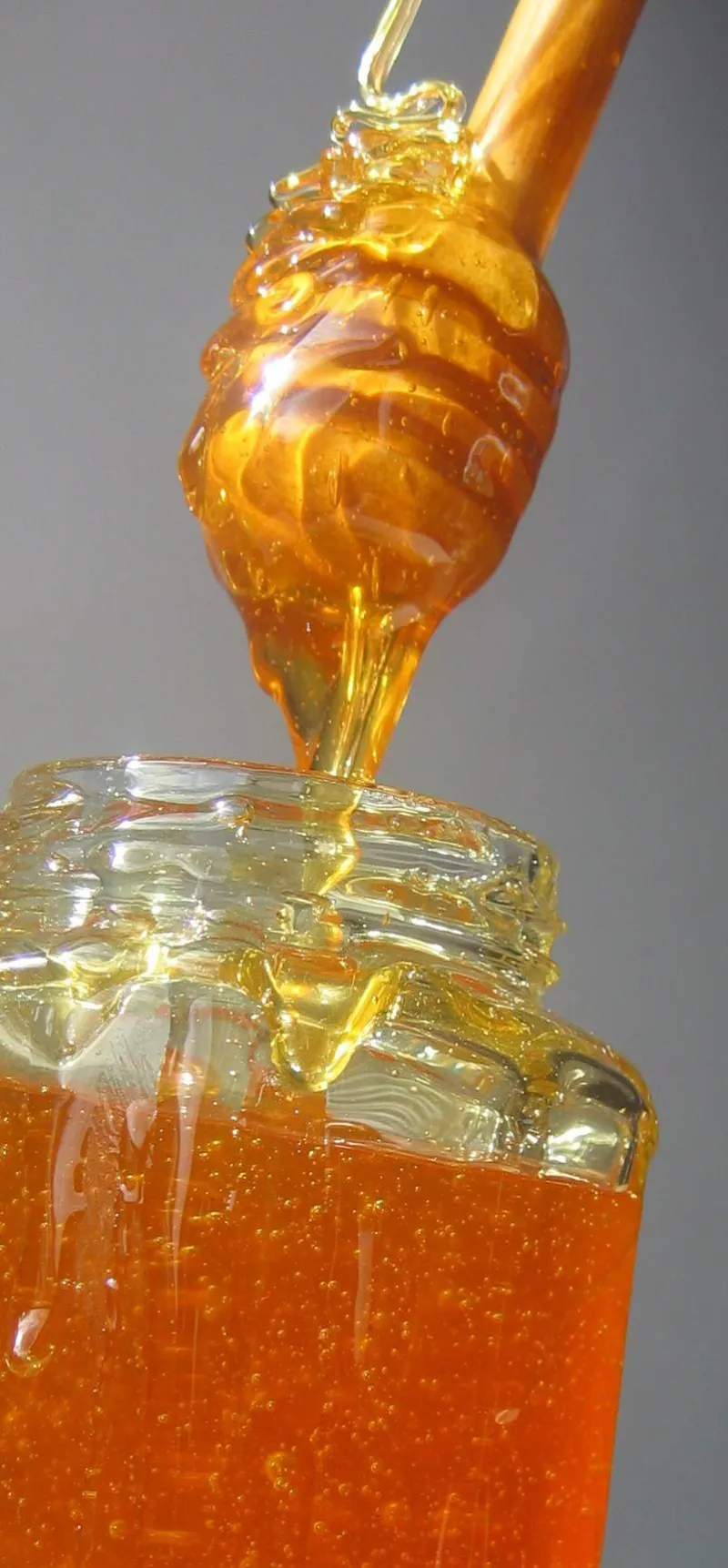
Photo: Tasmanianbeekeepers, CC BY-SA 4.0, via Wikimedia Commons
Life has a funny way of throwing minor emergencies at us at the least convenient moments. You grab a baking sheet fresh from the oven without a mitt. A mosquito finds you at the Fourth of July cookout. You knock your shin on the trailer hitch while loading the car.
The good news? Your kitchen probably has most of what you need to handle these small setbacks. The even better news? Many of these remedies have real science behind them—not just something your aunt swears by. Here's how to use seven common kitchen items for minor first aid, along with the all-important fine print on when to skip the DIY route entirely.
1. Honey for Minor Burns
Got a small, superficial burn from a curling iron or a stovetop splash? After running cool (not ice-cold) water over it for 10 to 20 minutes, a thin layer of honey can help. Medical-grade honey is used in clinical settings, and studies suggest regular honey's antibacterial properties may keep minor burns clean and support healing.
How to use it: Pat the area dry, spread a thin layer of honey, and cover loosely with a clean bandage.
2. Cold Spoons for Puffiness
Those mornings you wake up looking like you lost a boxing match with your pillow? A metal spoon straight from the freezer for a few minutes works like a mini cold compress for under-eye swelling. The chill constricts blood vessels, which reduces puffiness fast.
Keep a couple of spoons in the freezer overnight so they're ready when you need them. Just don't press too hard—the skin under your eyes is delicate.
3. Baking Soda for Bug Bites
Mosquito bites and the itch that follows are practically a summer tradition in most of the country. Baking soda mixed with a few drops of water creates a paste that can neutralize the skin's pH and calm the itch.
How to use it: Combine one tablespoon of baking soda with a splash of water, dab it on the bite, and let it dry before rinsing. It's also a folk favorite for bee stings—just remove the stinger first by scraping sideways with a credit card, not tweezers.
4. Oatmeal for Itchy, Irritated Skin
Colloidal oatmeal isn't just a marketing buzzword—it's actually an FDA-approved skin protectant. If poison ivy, a rash, or a sunburn has you scratching, blend plain oats into a fine powder and add it to a lukewarm bath.
Soak for 15 minutes and resist the urge to scrub. Your skin will thank you.
5. A Bag of Frozen Peas for Bruises
Here's the thing about frozen peas: they conform to your body better than a rigid ice pack ever will. For a fresh bruise or a bumped elbow, apply the bag (wrapped in a thin towel) for 15 to 20 minutes at a time during the first 48 hours.
Cold slows blood flow to the area, which limits swelling and may even reduce the size of the bruise before it fully develops. After a couple of days, switch to warmth if you want to help things along.
6. Salt Water for Minor Mouth Irritation
A canker sore, a bitten cheek, or irritation after dental work—warm salt water is the old standby that dentists still recommend. Dissolve half a teaspoon of salt in a cup of warm water, swish for 30 seconds, and spit. It helps reduce bacteria and can ease discomfort without any harsh ingredients.
7. Olive Oil for Dry, Cracked Skin
Rough elbows, flaky knuckles in the middle of a dry January—plain olive oil is a surprisingly effective moisturizer. A little dab goes a long way; apply after washing your hands to lock in moisture. Just skip it on your face if you're prone to breakouts.
When DIY Stops Being Smart
Here's the part we can't stress enough: home remedies are for minor issues only. Skip the kitchen cures and seek medical care if you notice any of the following:
- Burns that are larger than three inches, blister badly, appear white or charred, or are on your face, hands, or joints
- Bites or stings accompanied by trouble breathing, swelling of the face or throat, dizziness, or hives—these are emergency signs of a serious allergic reaction
- Bruises that appear without any known injury, are unusually large or painful, or keep coming back
- Any wound that won't stop bleeding, shows signs of infection (spreading redness, warmth, pus), or was caused by an animal bite
When in doubt, call your doctor or nurse line, or head to urgent care. No spoonful of honey beats professional care when something's actually wrong.
The Bottom Line
Your kitchen isn't a replacement for a real first-aid kit—but it's a pretty great backup. Keep these tricks in your back pocket for the small stuff, and you'll save yourself a few trips to the store and a little money along the way. Just remember the golden rule of home remedies: if it's not clearly getting better in a day or two, it's time to bring in a professional.