Open the Cabinet, Face the Facts: A Cold-Season Reset for Your Home Health Stash
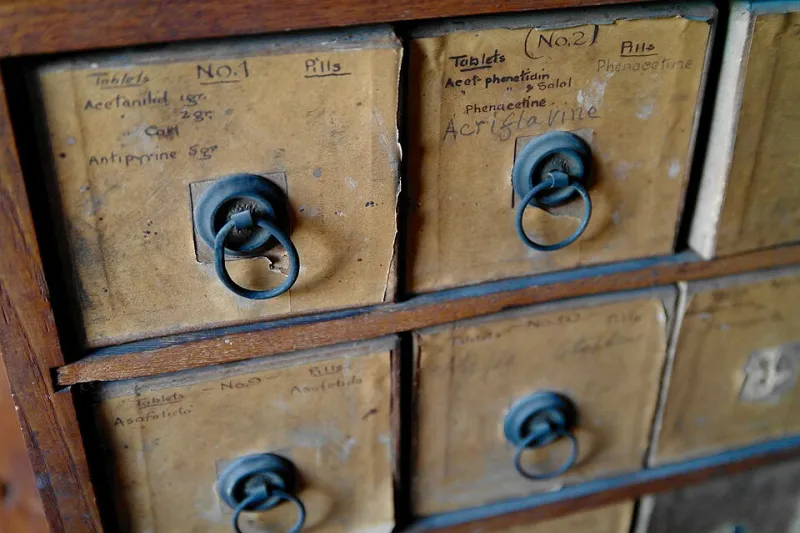
Photo: Matt Briney mbriney, CC0, via Wikimedia Commons
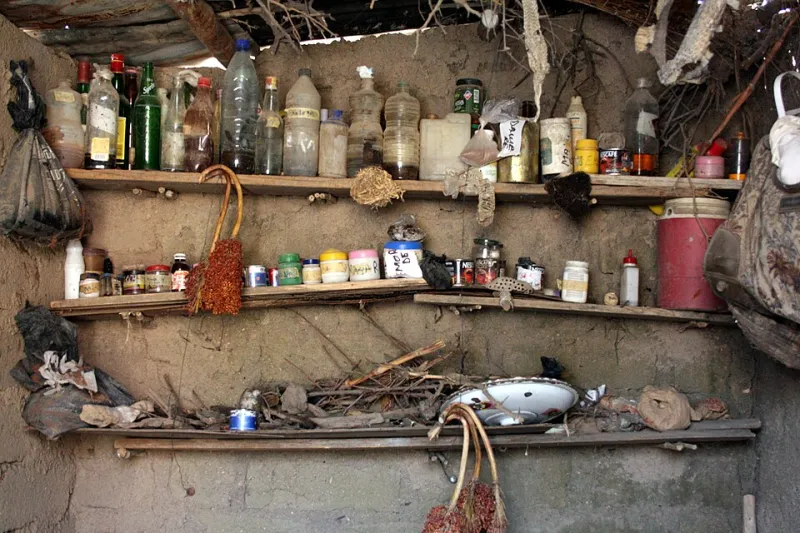
Somewhere between the spare batteries and the hotel shampoo bottles, your medicine cabinet has become a museum of good intentions. The cough syrup from that trip to visit your in-laws in 2019. The antibiotic ointment with a crusted cap. The prescription you finished half of and swore you'd get back to.
Cold and flu season is coming whether you're ready or not, so let's make sure what's behind that mirror door is actually going to help you.
The 10-Minute Purge: What Goes
Pull everything out. Yes, everything. Spread it on a towel on the counter and sort into three piles: keep, toss, and question.
Toss without guilt:
- Anything past its expiration date. Potency fades, and while some expired meds are merely weak rather than dangerous, why gamble?
- Anything that's changed appearance — discolored liquids, pills that are crumbling or stuck together, ointments that have separated or smell off.
- Old antibiotics. Never finish a leftover course "just in case." Self-treating with the wrong antibiotic is how resistance happens.
- Medications you can't identify. That unlabeled orange bottle from your cousin's move? It goes.
- Anything stored in the bathroom cabinet that's been through years of steamy showers. Humidity and heat degrade medicine faster than the label assumes.
One more thing that surprises people: toss the expired ipecac syrup. The American Academy of Pediatrics no longer recommends it for poisoning at home, and poison control advises calling first anyway.
The Safe Disposal Playbook
Don't flush and don't toss loose pills in the trash without prep. Here's what the FDA actually recommends:
Best option: drug take-back. The DEA runs National Prescription Drug Take Back Days (usually late April and October), but you don't have to wait — many pharmacies like Walgreens and CVS have permanent take-back kiosks, and some police stations accept drop-offs year-round. Check the DEA's website for a locator near you.
Second best: deactivation pouches. Brands like Deterra sell pouches at most pharmacies for a few bucks. Toss the meds in, add water, seal, and the activated charcoal neutralizes the drugs. Great for households with kids, teens, or curious pets.
Last resort: the trash, done right. Mix pills with something unappealing — used coffee grounds, cat litter — seal it in a bag or empty container, and bury it in the trash. Scratch out personal info on the label before recycling the bottle.
A short FDA flush list exists for genuinely dangerous drugs (certain opioids, for example), but for the average household stash, take-back or deactivate is the move.
The Rebuild: A Lean, Smart Kit
Now for the fun part. You don't need a shopping spree — you need a tight, functional kit. Skip the pre-packaged first-aid kits with forty tiny bandages and build your own:
The essentials:
- Digital thermometer (check the battery now, not mid-fever)
- Acetaminophen and/or ibuprofen — they work differently, and having both lets you alternate for fevers
- An oral rehydration solution or electrolyte packets for stomach bugs
- Saline spray or rinse for stuffy noses
- Honey (for coughs — legit evidence, and kids over one year old only)
- A real thermometer-friendly supply of tissues and hand sanitizer
Topical basics: hydrocortisone 1% for itches and rashes, antibiotic ointment for cuts, aloe gel for burns, and petroleum jelly for everything else.
Tools: adhesive bandages in multiple sizes, gauze, medical tape, tweezers, small scissors, and an elastic wrap.
Don't forget: a written list of your family's medications and allergies, and poison control's number (1-800-222-1222) saved in your phone.
Store the kit somewhere cool and dry — a hallway closet or kitchen cabinet away from the stove beats the bathroom. If you have little ones, a high shelf or locked box is non-negotiable.
A Quick Room-by-Room Sweep
While you're at it, do a fast lap of the house:
- Kitchen: Check the spice rack for anything older than a year or two — spices lose potency, and old oils can go rancid.
- Bathroom: Toss the expired sunscreen. It doesn't just stop working; it can separate and irritate.
- Bedroom: Nightstand meds go through the same expiration check.
- Garage/basement: Anything stored above 85°F or in direct sun needs relocating.
The Bottom Line
A clean, current medicine cabinet isn't about being paranoid — it's about making sure that when someone in your house feels awful at 2 a.m., what you reach for actually works. Twenty minutes now saves you a miserable, fumbling search later. Your future sniffly self will thank you.