That Bottle of Ibuprofen From 2019? Here's What Its Expiration Date Really Tells You

Photo: Paul Hudson from United Kingdom, CC BY 2.0, via Wikimedia Commons
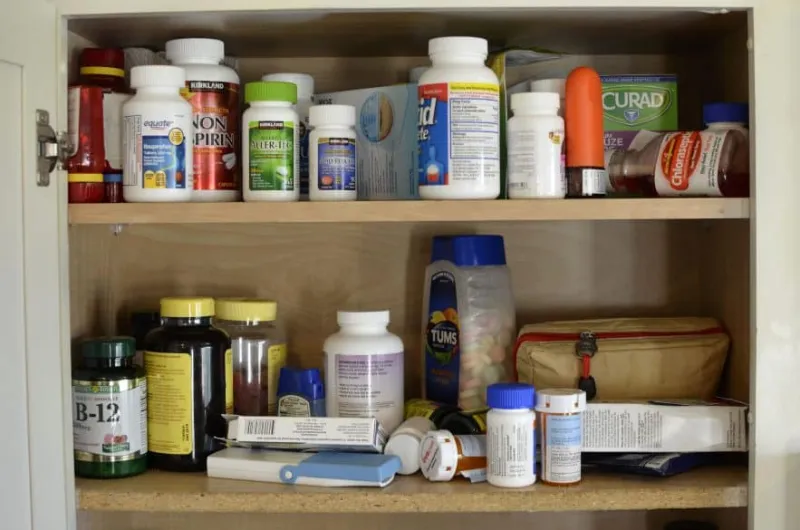
Somewhere in your bathroom, there's probably a bottle of pain relievers with a date on it from a few years ago. Maybe a half-used course of antibiotics. A cough syrup you bought during that rough winter of 2021. And every time you reach for one of them, the same question flickers: is this still okay to take?
The answer is more interesting — and more nuanced — than most people think.
Where Expiration Dates Actually Come From
Here's the part that surprises people: the date stamped on your medication bottle isn't a countdown to danger. It's the manufacturer's guarantee, backed by testing, that the drug will retain full potency and safety up to that point.
Drugmakers aren't required to test beyond two to three years in most cases, so that's roughly where the dates stop. Testing beyond that point is expensive, and there's no regulatory push to do it. The result? Dates that reflect testing timelines more than chemical reality.
A famous FDA program run on behalf of the military found that a large share of medications remained stable and effective years — sometimes a decade or more — past their printed dates. The catch? "A large share" is not "all," and that distinction matters a lot.
When an Expired Drug Is Genuinely a Problem
Some medications degrade in ways that matter, either because they lose effectiveness or, worse, break down into something you don't want in your body. Never gamble with these past their date:
- Liquid antibiotics — once reconstituted, many have a shelf life measured in weeks, not years
- Nitroglycerin — loses potency quickly, and with heart medication, "probably still works" isn't good enough
- Insulin and other biologics — temperature- and time-sensitive by nature
- EpiPens and inhalers — epinephrine degrades; in an emergency you need the full dose
- Eye drops and ear drops — the date matters less than the clock after opening; once a sterile bottle is unsealed, contamination risk climbs fast (most have a "discard 28 days after opening" note)
- Children's medications — kids get dosed by weight, so even modest potency loss changes the math
- Tetracycline-class antibiotics — old concerns about toxic breakdown products keep these on the caution list
For everything else — your standard over-the-counter pain relievers, antihistamines, antacids — an expired pill is most likely just a slightly weaker pill. Fine in a pinch for a headache, but don't rely on expired meds for anything serious.
Storage Matters More Than You Think
That medicine cabinet above the bathroom sink? It's honestly one of the worst places in your house for medication. Heat, humidity, and light are the three things that break drugs down fastest, and every hot shower runs that cabinet through all three.
A cool, dry, dark drawer in a bedroom or hallway closet will keep your medications closer to full potency for longer. Keep everything in original containers so you can see dosing info and dates, and always store medications up and away if little hands are around.
The Right Way to Get Rid of Old Meds
Please don't flush them. Wastewater treatment isn't designed to filter out pharmaceutical compounds, and trace medications have been detected in rivers and streams across the US. There are a few exceptions the FDA does recommend flushing (certain powerful opioids, mainly, to keep them away from kids and pets), but your everyday pills aren't on that list.
Better options:
- Drug take-back events — the DEA runs National Prescription Drug Take Back Days twice a year, and many police stations and pharmacies have permanent drop boxes
- Pharmacy mail-back envelopes — many chains offer them free at the counter
- The DIY method — if take-back isn't accessible, mix pills with used coffee grounds or cat litter, seal the mess in a bag or container, and toss it in the trash. Scratch out any personal info on the label first
Your Twice-a-Year Medicine Cabinet Audit
Here's the easy part. Pick two anchor dates — the daylight saving changes work great, since you're already fiddling with clocks — and spend fifteen minutes going through everything.
Your audit checklist:
- Pull out every bottle, tube, and box — including the first aid kit and the go-bag
- Check dates; set aside anything expired
- Toss anything opened more than a year ago (cough syrup, eye drops, ointments)
- Ditch anything discolored, crumbly, separated, or smelling off, regardless of date
- Check the fridge for old children's meds and insulin
- Confirm nothing's stored in a steamy bathroom
- Make a shopping list of what needs replacing
- Dispose of the expired pile using the methods above
Fifteen minutes, twice a year. That's the whole system.
The Bottom Line
Expiration dates are a promise of full potency, not a warning siren. Most pills past their date are simply less effective; a handful of specific medications are genuinely unsafe to stretch. Know which is which, store things properly, and put a simple twice-yearly audit on the calendar. Your future self — reaching for that bottle mid-headache — will thank you.