The Gunky Truth: Why Your 'Clean' Laundry Might Be Coming Out Dirtier Than It Went In
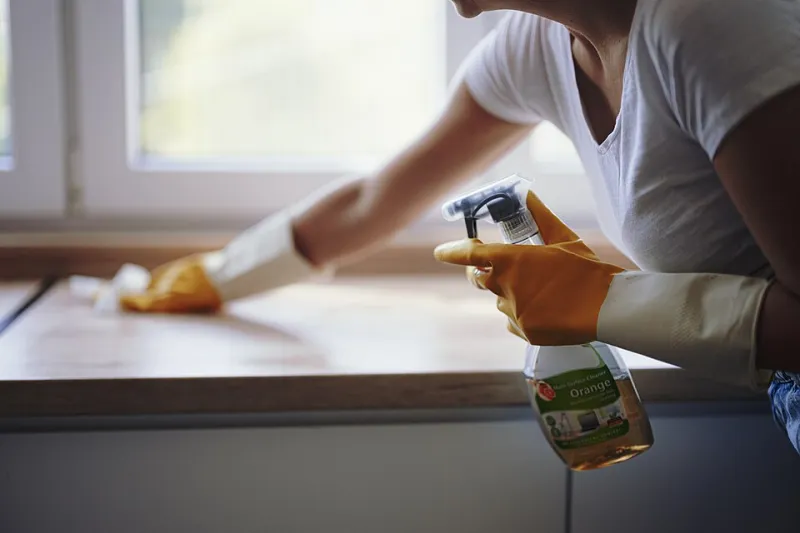
Photo: Shixart1985, CC BY 2.0, via Wikimedia Commons
Here's a fun fact to ruin your day: the machine you trust to get your clothes clean is often one of the grimiest appliances in your house. Microbiologists who've swabbed household washing machines have found bacterial counts that would make a toilet seat blush. And the kicker? All that invisible gunk doesn't just sit there politely. It transfers back onto your towels, your gym clothes, your kids' sheets.
The good news: fixing it takes about 15 minutes a month and costs roughly a dollar. Let's dig in.
What's Actually Living in There
A washing machine is basically a warm, damp, sealed box that never fully dries — which, in appliance terms, makes it a luxury condo for mold and mildew. Three culprits do most of the damage:
Biofilm. That slimy layer where detergent residue, body oils, and hard-water minerals meet. It clings to the drum, the door seal, and the detergent drawer, and bacteria thrive in it.
Detergent buildup. Here's the ironic part — using too much detergent (and most Americans do, thanks to overfilled caps and hard water) leaves a sticky residue that actually traps dirt instead of rinsing it away.
The gasket. If you own a front-loader, fold back that rubber door seal sometime. Go ahead, we'll wait. That black sludge and musty smell? That's your laundry's secret seasoning.
Signs It's Time for a Deep Clean
Your machine will usually tell you before things get bad. Watch for:
- Clothes that smell musty or sour straight out of the wash
- A damp, mildewy odor in the laundry room that won't quit
- Black or pinkish specks on the door gasket or detergent drawer
- A slimy film inside the drum you can feel with your hand
- Whites that come out looking vaguely gray or dingy no matter what you do
Front-loaders tend to develop odor problems faster because the door seals airtight — great for water retention, terrible for drying out. Top-loaders aren't immune, though; the area under the agitator and around the rim is a classic hiding spot for gunk.
The 15-Minute Monthly Reset
You need exactly two ingredients: white vinegar and baking soda. That's it. No fancy washing machine cleaners required (though store-bought tablets work in a pinch).
Step 1: Wipe the gasket and seals (3 minutes). Mix equal parts white vinegar and warm water in a bowl. Dip in a rag and scrub the rubber door gasket, pulling the folds back to get into the crevices. This is where the nastiest stuff lives, so don't be gentle.
Step 2: Run a hot vinegar cycle (5 minutes of effort, then walk away). Pour two cups of white vinegar directly into the drum — no clothes, no detergent. Run the machine on the hottest, longest cycle it has. If yours has a "tub clean" or "self-clean" setting, now's its moment to shine. The vinegar dissolves mineral deposits and breaks down detergent residue.
Step 3: Scrub the parts you can remove (3 minutes). Pop out the detergent drawer and fabric softener dispenser and soak them in hot, soapy water while the cycle runs. An old toothbrush gets into the nooks. If your machine has a drain filter (check your manual — many front-loaders have one behind a small front panel), carefully open it over a shallow pan and clear out the lint, coins, and mystery objects. Fair warning: keep a towel handy.
Step 4: The baking soda cycle (5 minutes of effort). Once the vinegar cycle finishes, sprinkle half a cup of baking soda directly into the drum and run another hot cycle. This deodorizes and neutralizes any lingering acidity.
Step 5: Leave the door open. Done. Prop the door and detergent drawer open so the interior can air-dry completely. This single habit does more to prevent mold than any cleaner on the market.
Keep It From Coming Back
The reset only works if you change a couple of habits:
- Use less detergent. Seriously — try half the recommended amount with an HE machine. Suds are not cleanliness.
- Pull wet laundry promptly. A damp load sitting for six hours is a mold starter kit.
- Wipe the gasket weekly. Ten seconds with a dry cloth after your last load of the day.
- Skip liquid fabric softener if you can. It's basically liquid biofilm glue. Wool dryer balls or a splash of vinegar in the rinse cycle do a similar job.
One Small Ritual, Big Difference
We spend a fortune on fancy detergents promising mountain-fresh scents, then dump our laundry into a machine that smells like a swamp. Flip the script: put fifteen minutes on the calendar once a month — first Saturday, whatever works — and give your washer the same care it gives everything else. Your nose, your towels, and your white t-shirts will all quietly thank you.