Ice Hands, Toasty Heart: What Your Body Is Really Doing When Your Fingers Freeze
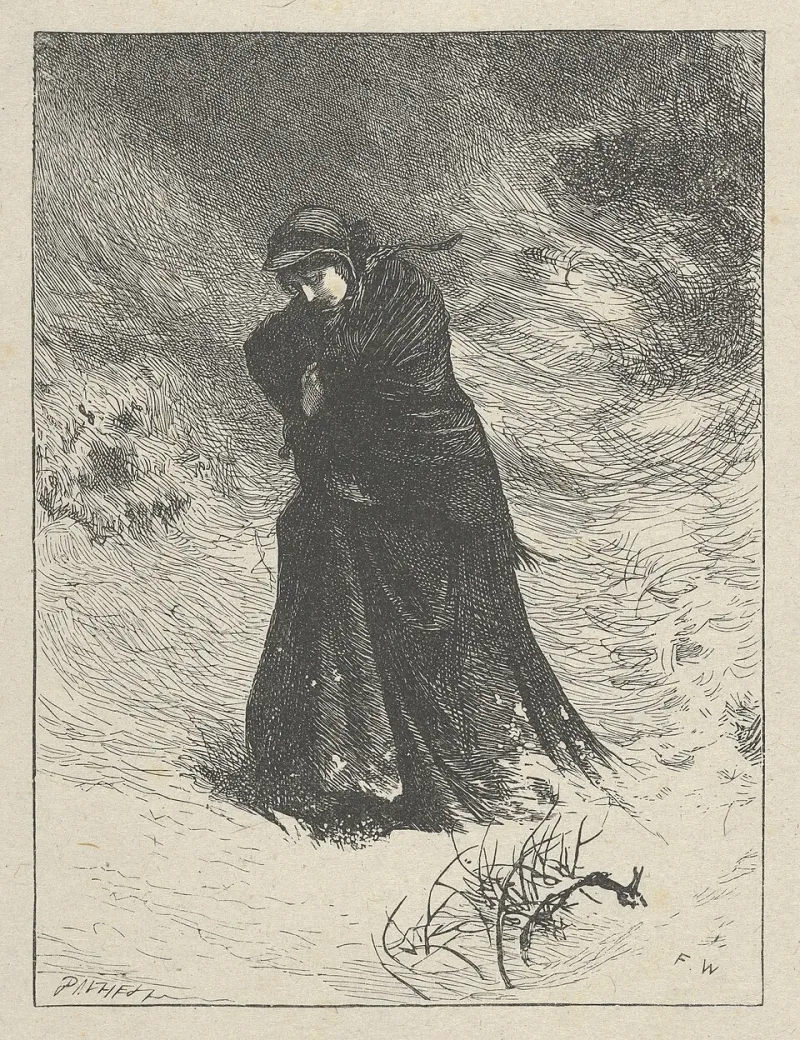
Photo: Brothers Dalziel / After Frederick Walker, CC0, via Wikimedia Commons
You know the feeling. You're sitting in a comfortably warm living room — everyone else is in t-shirts — and your fingers feel like you just came in from shoveling snow. Maybe your feet have been cold so long you've stopped mentioning it. Maybe someone told you once, "That's just how you are."
Sometimes that's true. But your body's temperature map is actually telling a story, and it's worth learning to read it.
Your Body Has a Priority List, and Your Fingers Aren't On It
Here's the counterintuitive part: cold hands and feet are often a sign your body is working correctly.
Your core — heart, brain, organs — needs to stay around 98.6°F no matter what. When your body senses even a small dip in core temperature (or thinks one might be coming), it does something clever and slightly rude: it clamps down the tiny blood vessels in your hands and feet to reroute warm blood toward the middle.
Think of it like closing the vents in the spare bedroom so the rest of the house stays warm. Your extremities are the spare bedroom.
This is why some people are simply built cold. Less muscle mass, lower body fat, smaller stature, or a circulatory system that's a little more enthusiastic about vasoconstriction — all of it lands you in the "always cold" club. Women tend to run colder than men on average, partly due to hormonal differences and body composition. If you've been cold since forever and it's your only symptom, that's usually just your operating system.
When Cold Extremities Deserve a Second Look
That said, "just how you are" shouldn't be a diagnosis. A few underlying issues show up first as chronically chilly fingers and toes:
Thyroid slowdown. An underactive thyroid (hypothyroidism) dials down your internal furnace. Cold intolerance is one of its classic early signs, often alongside fatigue, dry skin, weight changes, and feeling foggy. It's common, especially in women, and it's a simple blood test.
Anemia. Red blood cells carry oxygen — and warmth — around your body. Low iron means less delivery service. If you're cold and tired, pale, or dizzy when you stand up, iron levels are worth checking.
Circulation issues. Conditions like peripheral artery disease narrow the vessels feeding your limbs. Warning signs include coldness in just one hand or foot, cramping in your calves when you walk that eases with rest, or wounds on your feet that heal slowly.
Raynaud's phenomenon. Fingers or toes that turn white, then blue, then red — often with numbness or tingling when triggered by cold or stress. It's usually manageable, but it's worth naming with a doctor.
Blood sugar. Chronically high blood sugar can damage nerves and small vessels over time, and cold, tingling feet can be an early clue.
The 60-Second Self-Check
Run through this honestly:
- Probably fine: Cold hands and feet in chilly rooms, symmetrical on both sides, warming up quickly with movement or a sweater, and no other symptoms.
- Check with your doctor: Coldness with fatigue, unexplained weight change, hair thinning, or feeling cold when everyone else is comfortable — especially if it's new or getting worse.
- Call sooner rather than later: One-sided coldness, color changes (white/blue episodes), pain in your calves when walking, numbness or tingling in your feet, or coldness paired with chest discomfort.
Warming Habits That Go Beyond "Wear Better Socks"
Once you've ruled out the medical stuff — or while you wait on that appointment — here's what actually helps:
Move first, layer second. A brisk five-minute walk or a set of squats generates heat from the inside out. External warmth (blankets, heaters) feels good but doesn't fix the underlying rerouting. Movement tells your body the spare bedroom needs heat restored.
Warm your core, not just your hands. A mug of hot tea does more than a pair of gloves because warming your trunk signals your body that it's safe to reopen blood flow to the extremities. Same logic behind a warm shower easing cold fingers.
Don't skip meals — especially protein and iron-rich ones. Your body burns fuel to make heat. Skimpy diets and crash dieting are a classic ticket to permanent chill. If you suspect low iron, get tested before supplementing; more isn't automatically better.
Watch the caffeine-on-an-empty-stomach habit. Coffee on an empty stomach can trigger a temporary vasoconstrictive nudge in some people. Pair it with breakfast and see if your fingers notice the difference.
Manage the stress loop. Stress hormones also narrow blood vessels. If your hands go ice cubes during tense moments, slow breathing (four counts in, six counts out) genuinely helps reopen circulation. It's not woo — it's your autonomic nervous system responding.
Sleep with your feet covered, not compressed. Tight socks can actually restrict the tiny circulation you're trying to encourage. Loose, warm layers beat snug ones. Bed socks you can wiggle your toes in are the move.
The Bottom Line
Cold hands are usually your body being efficient, not broken. But they can also be the first, quiet flag for thyroid, iron, or circulation issues that are easy to treat when caught early. Know your baseline, run the checklist, and warm up from the inside out.
And if you've spent years being told "that's just how you are" while shivering through office meetings? A simple blood panel at your next checkup is a fair ask. Your fingers will thank you.